
Overview
However, the secondary market for electrical equipment is robust, and units that can be refurbished often command significantly higher prices than those destined for the shredder. We buy transformers in all conditions across all 50 states, providing cash offers based on the true market potential of your equipment. Whether your transformer is a prime candidate for resale or strictly a scrap asset, knowing how these valuations are determined helps you make informed decisions. This guide breaks down the factors that separate scrap from resale, explaining how core components, electrical integrity, and market demand influence the final number you receive. By evaluating your equipment accurately, you can turn an operational liability into a valuable financial asset.
Why sell to us
What Determines the Resale Value of a Transformer?
Resale value applies to transformers that are either currently operational or can be economically refurbished for return to service. The primary driver of resale value is the unit's electrical integrity. If a transformer passes standard electrical testing, such as megger and turns ratio tests, it retains its primary function as a piece of electrical infrastructure. This means it can be sold to another facility, utility, or industrial operation that needs that specific voltage and kVA rating.
Beyond basic functionality, the specifications of the transformer play a massive role in its resale potential. Standard distribution voltages, common kVA sizes, and modern configurations are in higher demand. A padmount transformer with standard primary and secondary voltages will generally have a strong resale market. Conversely, highly specialized or obsolete configurations may have limited appeal, pushing their value closer to scrap regardless of their working condition. Age is also a factor, though well-maintained older units can still hold significant resale value if they meet current operational needs.
What we buy
Understanding the Scrap Value of Electrical Equipment
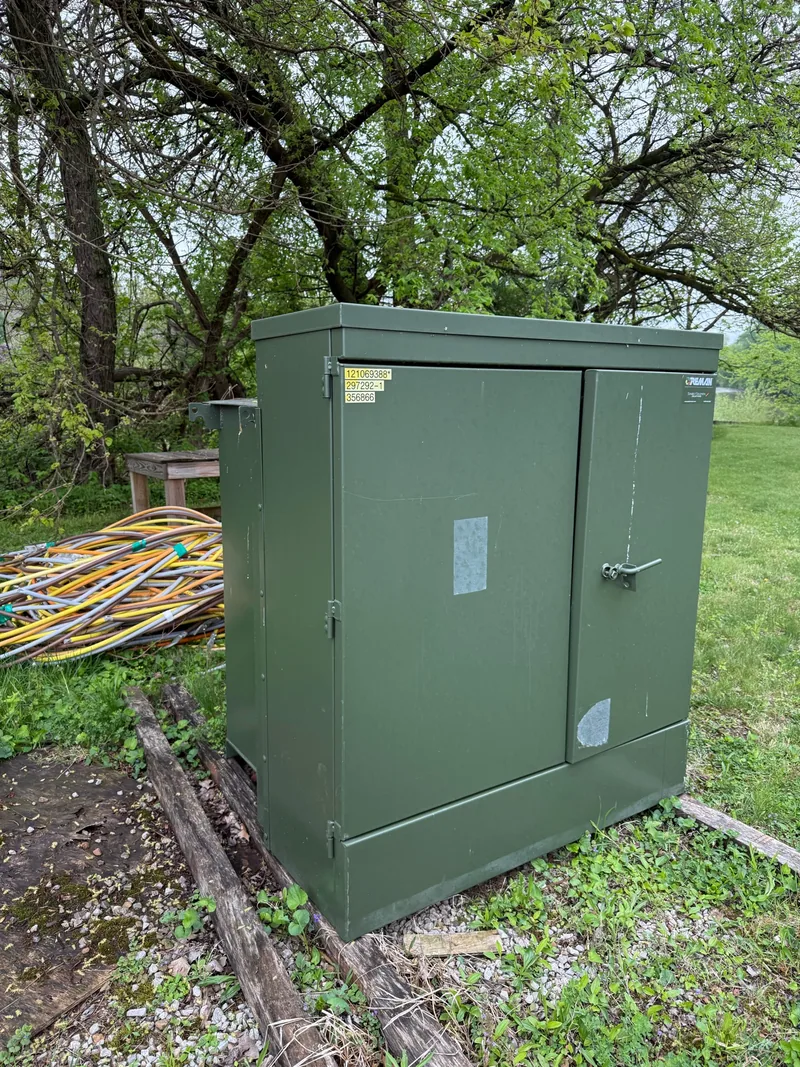
When a transformer has suffered catastrophic failure, severe internal shorting, or extensive physical damage, it transitions from an electrical asset to a commodity asset. Scrap value is determined entirely by the raw materials contained within the unit. The most valuable components are the conductive windings, which are typically made of either copper or aluminum. Copper-wound transformers command a significant premium over aluminum-wound units due to the higher market price of copper.
In addition to the windings, the electrical steel core and the steel enclosure contribute to the overall scrap weight. For oil-filled transformers, the insulating fluid itself must be managed. While the oil is not typically a value-add in a scrap scenario, proper handling and disposal are critical environmental considerations. We handle the complete logistics of scrap transformer removal, ensuring that all materials are processed responsibly while providing a cash offer based on the current commodities market for the recovered metals.
How it works
The Role of Copper Versus Aluminum Windings
The material used for the internal windings is one of the most significant variables in both scrap and resale valuations. Historically, copper was the standard for transformer windings due to its superior conductivity and thermal properties. In recent decades, aluminum has become increasingly common as a cost-saving measure in manufacturing. When evaluating a transformer for scrap, a copper-wound unit will yield a substantially higher return than an identically sized aluminum-wound unit.
Even in resale scenarios, copper-wound transformers are often preferred by buyers for their durability and performance characteristics, particularly in demanding industrial environments. Identifying the winding material is a crucial step in the valuation process. This information is sometimes indicated on the transformer's nameplate, but in many cases, it requires physical inspection or knowledge of the specific manufacturer and model year. Our team has the expertise to accurately assess winding materials, ensuring your cash offer reflects the true composition of your equipment.
Logistics and payment
How Electrical Testing Influences the Final Offer
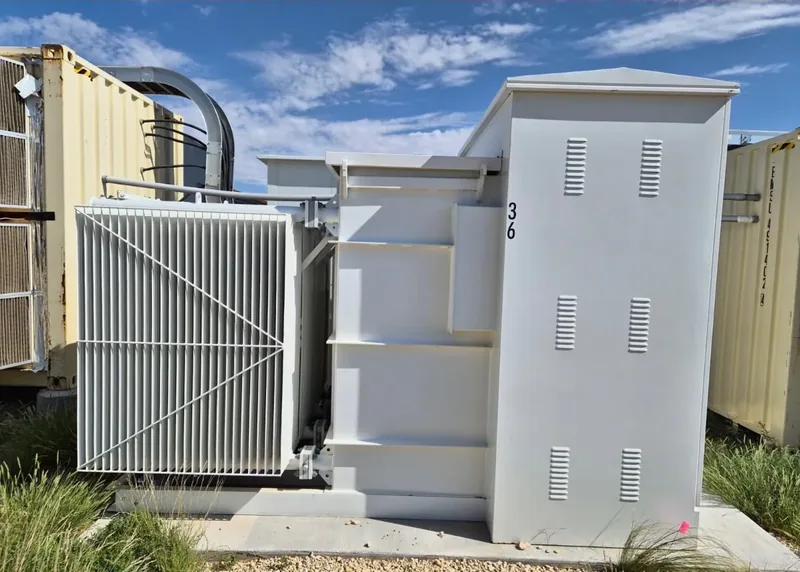
To bridge the gap between assumed scrap and potential resale, electrical testing is often necessary. A transformer that appears weathered or has been sitting in storage for years might still be electrically sound. Basic non-destructive testing can confirm the integrity of the insulation and the continuity of the windings. If these tests are positive, the unit can be valued as functional equipment rather than just raw metal.
We frequently purchase transformers that sellers assumed were only good for scrap, only to find they are viable for refurbishment. This is why working with a specialized buyer is advantageous. We have the capability to evaluate the electrical condition of the units we purchase. Even if a transformer ultimately fails testing and must be scrapped, our comprehensive evaluation process ensures that no potential resale value is left on the table. We provide nationwide service, handling the assessment and removal regardless of the final disposition of the equipment.
Detail
Logistics and Freight Considerations in Valuation
The physical location and accessibility of your surplus transformers directly impact the net return you receive. Transformers are exceptionally heavy, often requiring specialized rigging, cranes, and heavy-haul freight services for removal. The cost of this logistics operation must be factored into the overall transaction. A transformer located in a difficult-to-access basement or a remote substation will incur higher removal costs than one sitting on a loading dock.
We manage the entire logistical process, from coordinating the rigging to securing the freight. By handling these complex operations in-house, we streamline the transaction for the seller. When we present a cash offer, it accounts for these logistical realities, providing a clear and straightforward transaction. You do not have to worry about hiring separate contractors or managing the transportation; we take ownership of the equipment and the removal process, ensuring a smooth and efficient clearance of your site.
Also worth knowing
Making the Decision to Sell Your Surplus Units
Deciding when to sell surplus transformers involves balancing storage costs, depreciation, and the immediate need for capital or space. Holding onto unused equipment ties up valuable real estate and exposes the units to potential environmental degradation, which can reduce their value over time. Whether your transformers are destined for the secondary market or the scrap yard, liquidating them provides an immediate financial return and eliminates ongoing liability.
Our process is designed to be as efficient as possible for facility managers, contractors, and utility operators. We require basic information, such as nameplate photos and a general description of the equipment's condition, to initiate the valuation. From there, we determine whether the units hold resale or scrap value and present a comprehensive cash offer. We operate across all 50 states, providing a reliable and professional outlet for your surplus electrical infrastructure.
Common questions
Questions sellers ask
How do I know if my transformer has resale value or scrap value?
The primary indicator is the electrical condition. If the transformer is operational and passes standard electrical tests, it likely has resale value. If it has failed, shorted, or sustained severe damage, it will be valued for scrap based on its copper or aluminum content.
Do you pay more for copper-wound transformers?
Yes, copper-wound transformers are significantly more valuable than aluminum-wound units, especially in scrap scenarios. Copper commands a much higher price on the commodities market, which directly translates to a higher cash offer for your equipment.
Will you buy a transformer if it is completely broken?
Absolutely. We buy transformers in all conditions, including completely failed or burnt-out units. These are purchased for their scrap value, and we handle the safe removal and recycling of the core materials and insulating fluids.
Who handles the freight if I sell my surplus transformers?
We handle all the freight and logistics. Our team coordinates the rigging, loading, and transportation of the equipment from your facility. The cash offer we provide takes these logistical costs into account, making the process seamless for you.
How fast can I get a cash offer for my equipment?
We typically provide a cash offer very quickly, often on the same day we receive clear photos of the transformer nameplates and a description of their condition. Our goal is to facilitate a fast and efficient transaction for our clients nationwide.
Ready to move the unit?
Understanding the value of your surplus electrical equipment is the first step toward a profitable disposition. Whether your transformers hold strong resale potential or are valued strictly for their scrap metal content, we are ready to purchase them. We buy padmount, substation, and dry-type transformers from businesses across all 50 states, handling the heavy lifting and logistics so you do not have to. Turn your unused assets into capital today. Call us at 954-740-1983 or email electricalequipmentbuyers@gmail.com to get a cash offer for your equipment.