
Overview
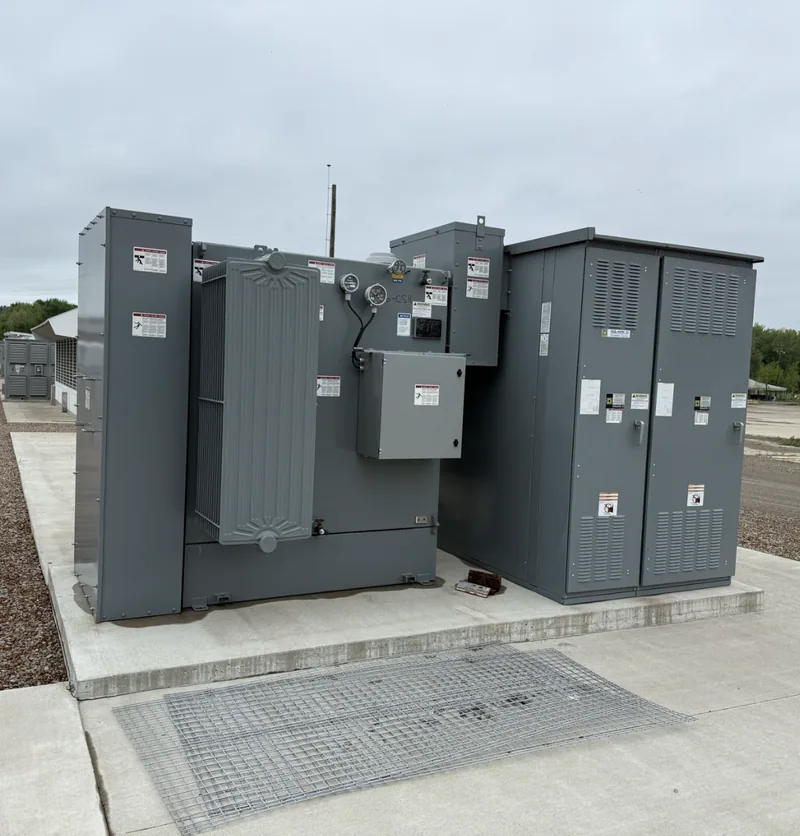
General Electric has a massive footprint in North American power infrastructure, meaning thousands of these older units are still sitting on pads or in storage yards. We purchase padmount, substation, and dry-type GE transformers ranging from 15 kVA up to 100 MVA. Whether you have a single failed polemount or an entire lineup of decommissioned GE unit substations, our team handles the valuation, freight, and rigging.
Why sell to us
Evaluating Legacy General Electric Transformers
General Electric manufactured some of the most widely installed electrical equipment in North America, leaving a vast number of legacy transformers in service or decommissioned at industrial sites. When assessing these older units, the physical condition and internal components dictate whether the equipment holds value for the secondary market or is strictly destined for scrap recovery. We look closely at the core and coil construction, as GE produced many robust copper-wound units that retain significant intrinsic material value even after catastrophic failure.
The age of a GE transformer often points to specific manufacturing methods and insulation types that require careful handling during the removal process. Many facilities hold onto obsolete General Electric substations simply because the logistics of moving such heavy, specialized equipment seem daunting. We take over that burden by arranging all necessary rigging and heavy freight to transport these massive units away from your property. By evaluating the specific model and vintage, we determine the most efficient extraction method for your surplus GE assets.
What we buy
Reading GE Nameplate Data for Accurate Valuation
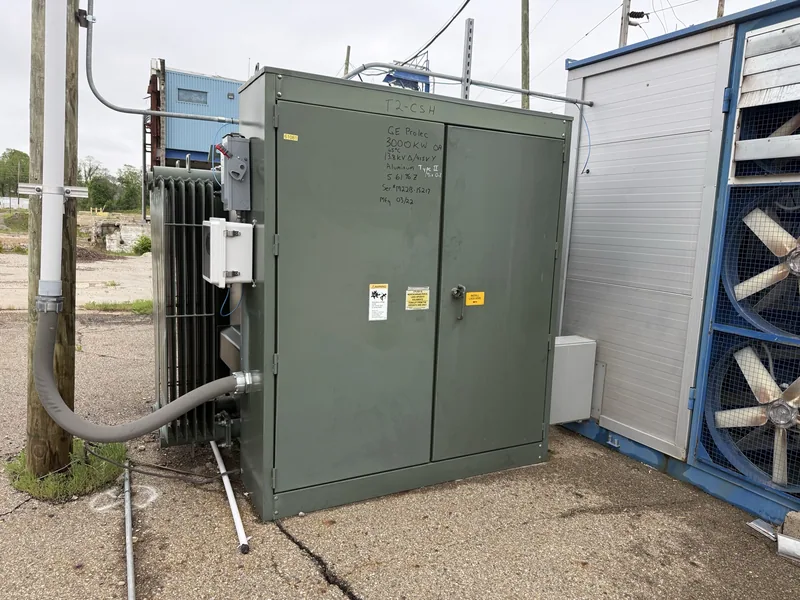
The metal nameplate on any General Electric transformer is the primary tool for determining its exact specifications and baseline value. This plate contains the kVA rating, primary and secondary voltages, impedance, and crucial manufacturing dates that help us identify the generation of the equipment. For older GE units, the nameplate also indicates whether the windings are copper or aluminium, a factor that heavily influences the scrap material assessment.
When you contact us about surplus GE equipment, providing clear photos of this nameplate allows our team to quickly calculate a cash offer based on the exact build of the unit. Even if the transformer has been sitting outside and the plate is weathered, capturing the serial number and catalog number can help trace the original factory specifications. This data prevents guesswork and ensures that the valuation accurately reflects the heavy metals and reusable components housed inside the steel enclosure.
Equipment
GE / General Electric equipment we take
How it works
Addressing PCB and Oil Concerns in Vintage GE Units
Because General Electric was a dominant manufacturer during the mid-twentieth century, many of their older oil-filled transformers raise immediate questions regarding PCB content. Facilities upgrading their electrical infrastructure frequently encounter legacy GE units that require proper testing and documentation before they can be moved. We navigate these environmental complexities by coordinating with licensed channels to handle oil-filled equipment safely and compliantly.
If your GE transformer has already been tested, providing the documentation accelerates the valuation and removal timeline. For untested vintage units, we factor the necessary fluid management protocols into our logistics planning. Managing the dielectric fluid correctly is a critical part of the extraction process, especially for large GE substation transformers that hold hundreds of gallons of oil. Our approach ensures that the site remains clean and the legacy equipment is processed without creating liabilities for the facility owner.
Logistics and payment
Resale Demand Versus Scrap Value for GE Models
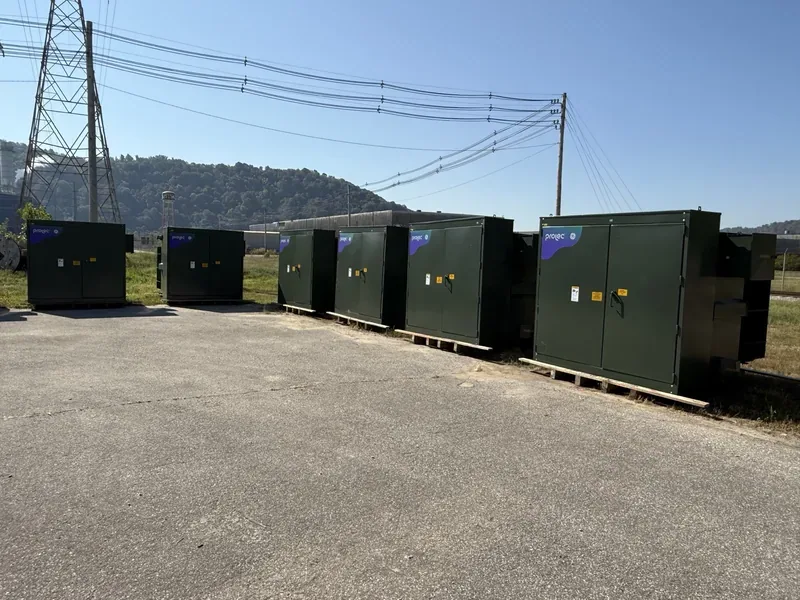
The secondary market for General Electric transformers varies significantly depending on the specific family of equipment and its operational status. Certain late-model GE dry-type and padmount transformers maintain strong demand for industrial reuse, provided they are in working condition and meet modern efficiency expectations. These reusable units generally command a higher cash offer because they can be deployed to other facilities needing immediate electrical infrastructure replacements.
Conversely, older GE network transformers or units that have suffered severe internal faults are evaluated strictly on their scrap metal yield. The heavy steel tanks, copper or aluminium coils, and silicon steel cores are weighed and assessed for material recovery. Even completely burned-out General Electric transformers hold substantial value due to the sheer volume of conductive metals used in their original construction. We provide clear assessments so you understand exactly how your specific GE model is being valued.
Detail
Removing Failed and Decommissioned GE Equipment
A catastrophic failure in a General Electric transformer often leaves a massive, immovable piece of steel and copper blocking valuable space at a utility yard or manufacturing plant. Removing these failed units requires specialized heavy rigging and flatbed transport, logistics that most facility managers prefer not to handle internally. We coordinate the entire extraction process, bringing in the right cranes and crews to lift and secure the damaged GE equipment safely.
Whether the transformer is located on a concrete pad behind a factory or inside a dedicated electrical room, we develop a removal plan tailored to the site constraints. Our crews are accustomed to navigating tight clearances and coordinating with local plant personnel to minimize disruption to ongoing operations. By managing the freight and rigging directly, we ensure that the decommissioned General Electric transformer is hauled away efficiently, leaving your site clear for new installations.
Also worth knowing
Nationwide Purchasing of GE Transformer Inventories
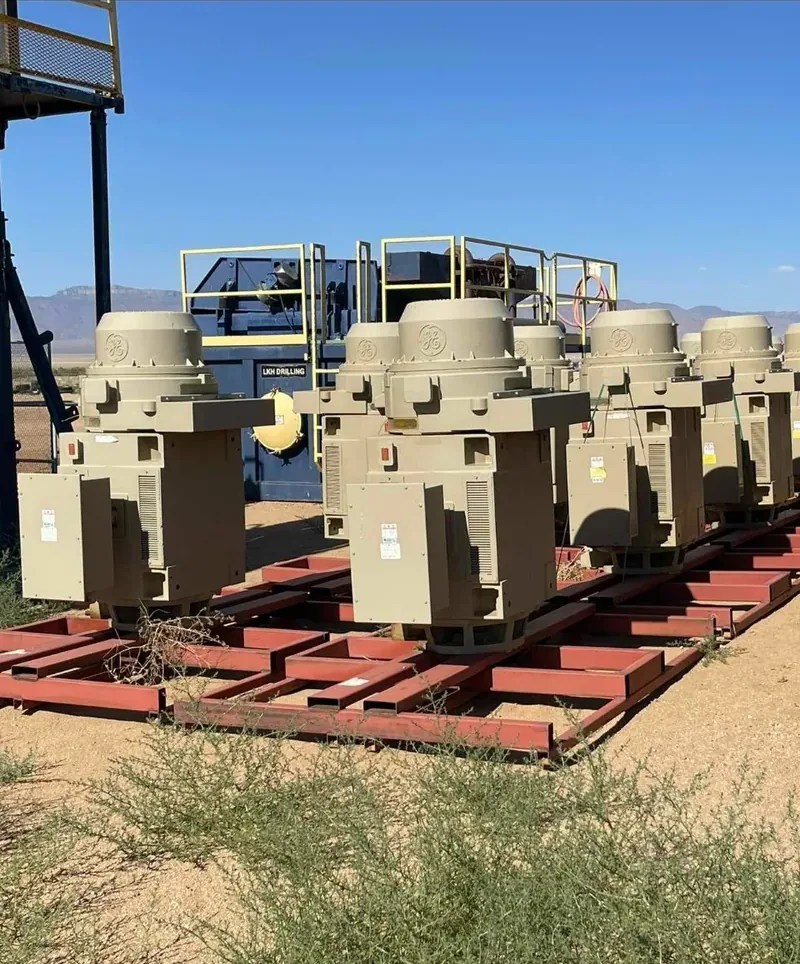
Utility companies and large electrical contractors often accumulate multiple General Electric transformers over years of system upgrades and emergency replacements. We purchase these bulk inventories, providing a streamlined solution to clear out entire storage yards of surplus and scrap GE equipment. Instead of dealing with multiple local scrap yards that lack the capacity to handle heavy electrical assets, you can rely on our nationwide reach to process the entire batch.
Our team travels directly to your location to inspect the stockpiled GE units, from small 15 kVA polemounts to massive 100 MVA step-down transformers. We organize the logistics to transport multiple units simultaneously, maximizing freight efficiency and accelerating the cleanup of your facility. This comprehensive approach allows you to monetize idle General Electric assets quickly while eliminating the ongoing storage and maintenance headaches associated with surplus electrical equipment.
Condition and testing
The Process of Selling Your Surplus GE Transformers
Initiating the removal of your surplus General Electric transformers begins with gathering basic information about the equipment currently on your site. We ask that you provide clear photographs of the units, paying special attention to the manufacturer nameplates and any visible damage to the enclosures or bushings. This initial visual inspection allows us to determine the size, weight, and material composition of the GE transformers without requiring an immediate site visit.
Once we review the specifications and condition of your General Electric equipment, we present a straightforward cash offer that includes all costs associated with rigging and freight. There are no hidden fees for transportation or specialized handling of oil-filled units. Upon agreement, we schedule the removal at a time that aligns with your operational requirements, ensuring that the heavy lifting and transportation are executed smoothly and professionally.
Scrap value
If the unit is failed or only worth metal
Other transformer brands we buy
Common questions
Questions sellers ask
Do you buy GE transformers that have completely failed or caught fire?
Yes, we purchase failed and burned-out General Electric transformers. Even when a unit is completely destroyed internally, the copper or aluminium windings and the heavy steel core retain significant scrap value. We evaluate the remaining material and arrange the heavy rigging required to remove the damaged equipment from your facility.
How do I know if my older GE transformer contains PCBs?
The only definitive way to know is through laboratory testing of the dielectric fluid. However, the manufacturing date on the GE nameplate can indicate the likelihood of PCB presence. We handle older oil-filled units through licensed channels and can guide you through the necessary steps for compliant removal.
Will you travel to our rural facility to pick up a GE substation transformer?
We serve the entire United States and routinely travel to remote or rural industrial sites to evaluate and remove large electrical equipment. Our logistics team coordinates the specialized freight and crane services needed to extract massive GE substation transformers regardless of your facility's location.
What information do you need to make an offer on my GE padmount transformer?
We need clear photos of the transformer, specifically the General Electric metal nameplate showing the kVA rating, voltages, and serial number. If the unit is oil-filled, any existing fluid test reports are highly beneficial. We also need to know the physical location and site access conditions.
Do you purchase GE dry-type transformers from indoor electrical rooms?
Yes, we buy General Electric dry-type transformers and can arrange the logistics for indoor removals. Extracting equipment from inside a building often requires specialized skates and rigging techniques to navigate hallways and doors, which our coordinated crews are fully equipped to handle. We work closely with your facility managers to ensure the removal process does not disrupt your daily operations.
How does the winding material affect the value of my GE transformer?
General Electric manufactured transformers with both copper and aluminium windings. Copper-wound units carry noticeably more value than aluminium-wound models due to the higher intrinsic worth of copper in the scrap metal market. The nameplate usually indicates the winding material, allowing us to provide an accurate valuation before we arrive on site.
Ready to move the unit?
Clearing out obsolete or failed General Electric equipment does not have to be a logistical nightmare for your facility. We handle the valuation, rigging, and freight to ensure your surplus units are removed efficiently and compliantly. Call 954-740-1983 or email electricalequipmentbuyers@gmail.com to discuss your GE transformers and receive a cash offer today.