
Overview
When a commercial building is upgraded, an industrial plant is decommissioned, or a utility replaces aging infrastructure, both types of transformers frequently become available on the secondary market. We buy used, surplus, and failed transformers of both configurations from businesses across all 50 states. Whether you have a yard full of single-phase polemounts or a massive three-phase substation unit, our team is equipped to evaluate your inventory. We handle the heavy rigging, coordinate the freight, and provide a straightforward purchasing process that turns your idle equipment into capital. Knowing the phase configuration of your equipment helps us accurately assess its value and present a competitive cash offer.
Why sell to us
The Basics of Single-Phase Transformers
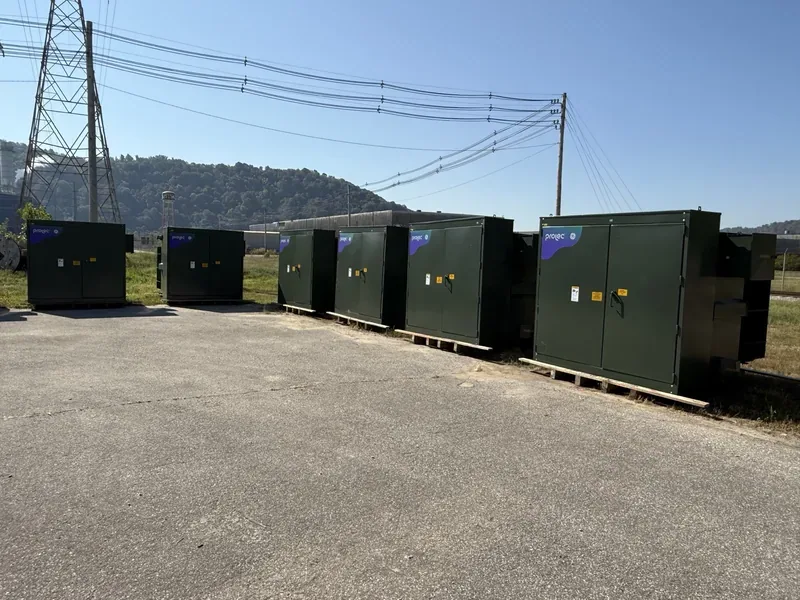
A single-phase transformer operates on an electrical system that utilizes one alternating current voltage waveform. These units typically have two primary connections and are designed to step down high voltage from the utility grid to the lower voltages required for standard lighting, small appliances, and light commercial machinery. You will most commonly see single-phase transformers mounted on utility poles in residential neighborhoods or installed as small padmount units outside light commercial buildings.
Internally, a single-phase transformer is relatively simple, consisting of one primary winding and one secondary winding wrapped around a magnetic steel core. Because they handle lower power loads, they are generally smaller and lighter than their three-phase counterparts. When we purchase surplus single-phase transformers, they are often acquired in bulk from utility companies or electrical contractors who have completed large-scale replacement projects. Even though individual units are smaller, a collection of failed single-phase transformers holds significant value for the copper or aluminum and core steel they contain.
What we buy
Understanding Three-Phase Transformers
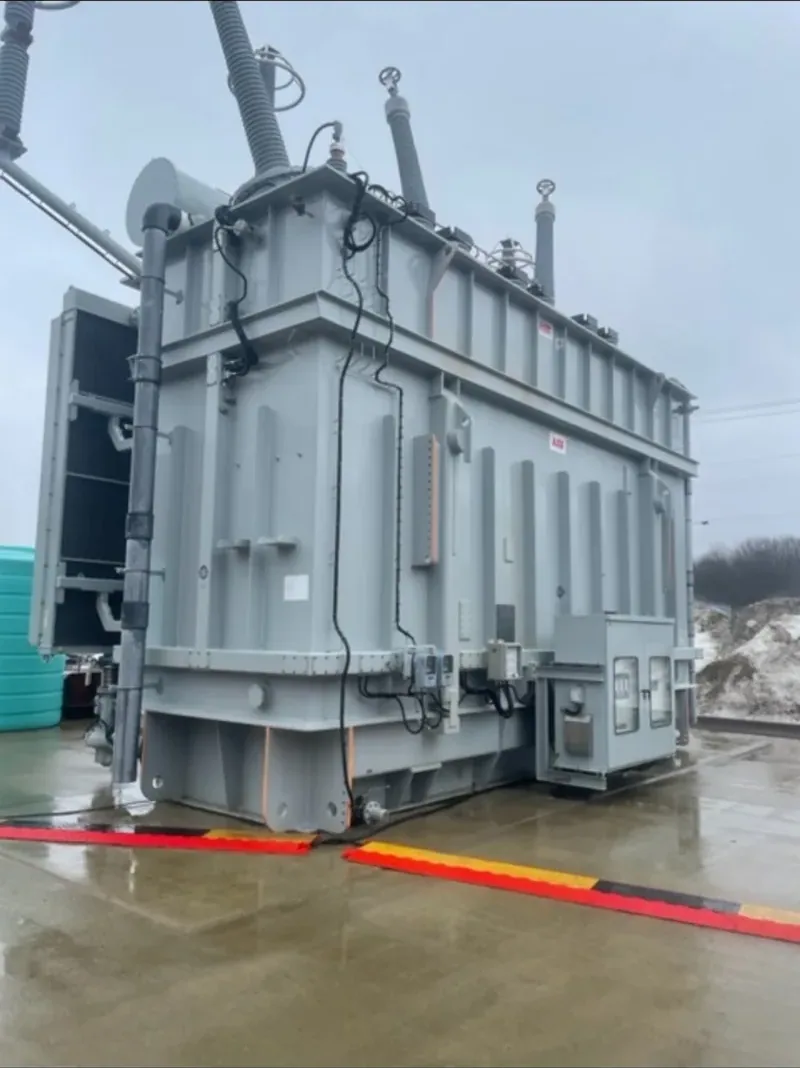
Three-phase transformers are designed for heavy-duty commercial and industrial applications. A three-phase electrical system uses three separate alternating currents, each peaking at a different time, which provides a much more continuous and efficient flow of power. This makes three-phase power ideal for running large electric motors, heavy manufacturing equipment, and massive data center operations. A three-phase transformer essentially combines three single-phase transformers into one large enclosure, sharing a common magnetic core structure.
These units are significantly larger, heavier, and more complex. They are found in industrial substations, large commercial basements, and heavy manufacturing facilities. Because they contain three sets of primary and secondary windings, the amount of copper or aluminum inside is substantial. When a facility closes or upgrades its electrical infrastructure, these massive units become highly valuable surplus assets. We buy three-phase transformers nationwide, managing the complex logistics required to extract and transport equipment that can weigh tens of thousands of pounds.
How it works
How Phase Configuration Affects Equipment Value
The phase configuration of a transformer plays a major role in determining its value on the secondary market. Working three-phase transformers are in high demand for industrial expansions, emergency replacements, and commercial developments. If you have a surplus three-phase unit that passes electrical testing, it is often priced as reusable equipment, commanding a strong cash offer. The high cost and long lead times for new three-phase units make quality used equipment very attractive.
Single-phase transformers, while also valuable, are typically evaluated differently. Working single-phase units are often reused in rural utility applications or light commercial settings. However, if the units have failed, the valuation shifts entirely to the scrap metal content. A three-phase transformer inherently contains much more core steel and winding material than a single-phase unit of a similar physical footprint. Regardless of the phase or condition, we evaluate the specific kVA rating, weight, and winding material to provide an accurate assessment of your equipment's worth.
Logistics and payment
Identifying Your Transformer's Phase
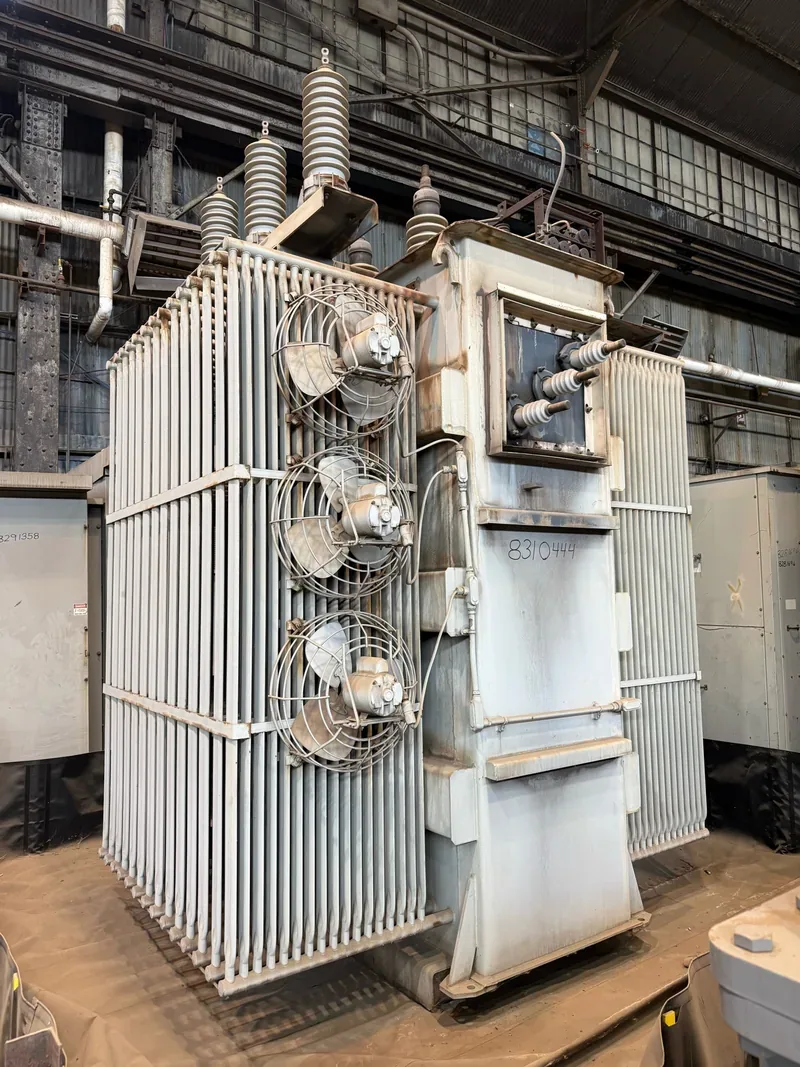
Determining whether your surplus transformer is single-phase or three-phase is a critical first step when preparing to sell. The most definitive way to check is by reading the manufacturer nameplate attached to the tank. The nameplate will clearly state the phase, usually listed simply as '1 Phase' or '3 Phase'. It will also detail the kVA rating, primary and secondary voltages, and the total weight of the unit. Taking a clear photograph of this nameplate is the best way to communicate the details of your equipment to our team.
If the nameplate is missing or illegible, you can often determine the phase by looking at the external bushings (the insulated terminals where the power lines connect). A single-phase transformer typically has two high-voltage bushings, while a three-phase transformer will have three high-voltage bushings. Providing wide photographs of the entire unit, showing these connections, helps us confirm the configuration. Once you call or email us with these photos, we can quickly proceed with our evaluation.
Detail
Logistics for Different Transformer Types
The logistical requirements for removing surplus transformers vary dramatically depending on whether they are single-phase or three-phase. Single-phase polemount or small padmount units can often be moved with standard forklifts and loaded onto flatbed trailers with relative ease. When dealing with large quantities of these smaller units, we coordinate the freight to maximize efficiency and clear your storage yard quickly.
Three-phase transformers present a much greater logistical challenge. A large industrial three-phase unit can weigh over fifty thousand pounds and may be located deep inside a facility or behind complex substation fencing. Removing these giants requires specialized heavy rigging, high-capacity cranes, and multi-axle heavy-haul trailers. We specialize in managing these complex extractions. When you sell your equipment to us, we take on the full responsibility of the rigging and freight, ensuring the safe and compliant removal of the transformer from your site.
Also worth knowing
Why Businesses Sell Their Surplus Transformers
Businesses end up with surplus single-phase and three-phase transformers for a variety of reasons. Electrical contractors often accumulate units after completing service upgrades or replacing failed equipment for their clients. Demolition companies frequently encounter massive three-phase units when tearing down old manufacturing plants or commercial buildings. Utility companies regularly cycle out aging single-phase polemounts as part of grid modernization efforts.
Instead of letting these heavy assets rust in a storage yard or paying disposal fees, selling them recovers valuable capital and clears essential space. We provide a streamlined solution for businesses looking to offload their electrical equipment. By offering a competitive cash offer and handling all the transportation logistics, we make the disposition process as simple as possible. We buy transformers in all 50 states, providing a reliable outlet for your surplus electrical assets.
Related terms
Common questions
Questions sellers ask
Do you buy both single-phase and three-phase transformers?
Yes, we purchase both single-phase and three-phase transformers. Whether you have a collection of small single-phase polemounts or a massive three-phase industrial substation unit, we are interested in evaluating your equipment and providing a cash offer.
Which type of transformer is worth more?
Generally, three-phase transformers are worth more because they are larger, have higher kVA ratings, and contain significantly more copper or aluminum windings and core steel. However, the exact value depends on the specific size, condition, and whether the unit is working or failed.
How can I tell if my transformer is single-phase or three-phase?
The easiest way is to check the manufacturer nameplate on the unit, which will explicitly state '1 Phase' or '3 Phase'. Alternatively, you can count the high-voltage bushings on top of the tank; single-phase units usually have two, while three-phase units have three.
Will you buy a three-phase transformer if it has failed?
Absolutely. Failed three-phase transformers hold substantial value due to the large amount of recoverable metals inside, specifically the heavy steel core and the copper or aluminum coils. We buy failed units nationwide and handle the recycling process.
Do I need to arrange freight for a large three-phase transformer?
No, you do not need to worry about the logistics. We handle all the heavy rigging and specialized freight required to move large three-phase transformers. Once you accept our offer, we coordinate the entire removal process from your facility.
Ready to move the unit?
Whether you are managing a surplus of single-phase polemounts or need to dispose of a massive three-phase industrial unit, we are ready to purchase your equipment. We buy electrical transformers from businesses across all 50 states, offering a streamlined process that turns idle assets into capital. Our team handles the complex logistics, heavy rigging, and freight, so you can focus on your core projects without the hassle of equipment disposal. We evaluate both working and failed units to provide a competitive cash offer based on the specific characteristics of your transformers. Call or email us today with photos of your equipment to get started. Reach out at 954-740-1983 or electricalequipmentbuyers@gmail.com.