
Overview
A transformer can look like a heavy steel box, a pole canister, a pad-mounted cabinet, or a dry-type unit inside an electrical room, but the details on the nameplate tell a much bigger story. This resources hub is built to help sellers identify equipment, understand the factors that affect value, and prepare the right information before requesting a cash offer. Moses Johnson and the team buy transformers from companies across the country, coordinate pickup, and handle freight and rigging details when a purchase is made.
Why sell to us
Start With the Transformer Nameplate
The nameplate is the best starting point for identifying any transformer. It is usually mounted on the tank, enclosure, cabinet door, or frame, and it contains the technical details buyers need to understand the unit. Common nameplate details include kVA or MVA rating, primary and secondary voltage, phase, frequency, impedance, cooling class, manufacturer, serial number, date, oil capacity, and total weight. A clear photo of the nameplate can often answer more questions than a long description.
If the nameplate is missing, painted over, corroded, or inaccessible, the equipment can still be reviewed. Photos of the full unit, bushings, cable compartments, gauges, taps, radiators, and any remaining tags can help narrow down the type. Even a failed or stripped transformer may have value based on its copper or aluminum windings, core steel, tank, and oil content. The goal is to gather enough information to separate a reusable equipment purchase from a scrap recovery purchase.
What we buy
Understanding Transformer Types Before You Sell
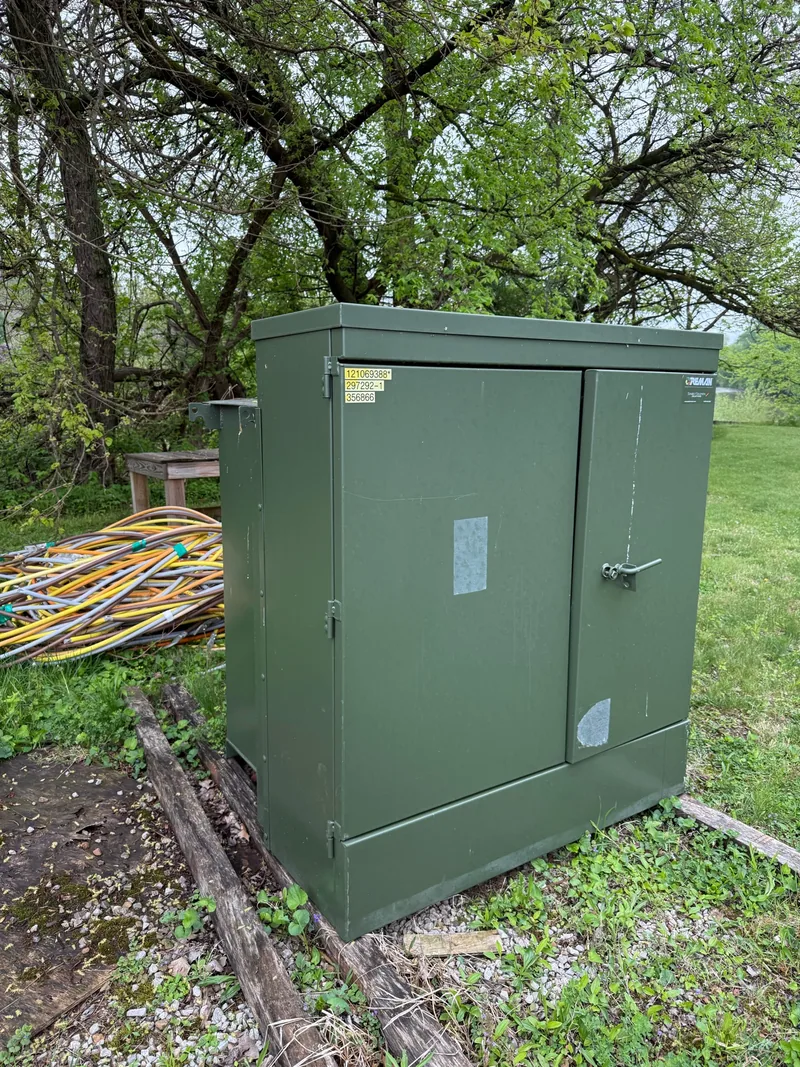
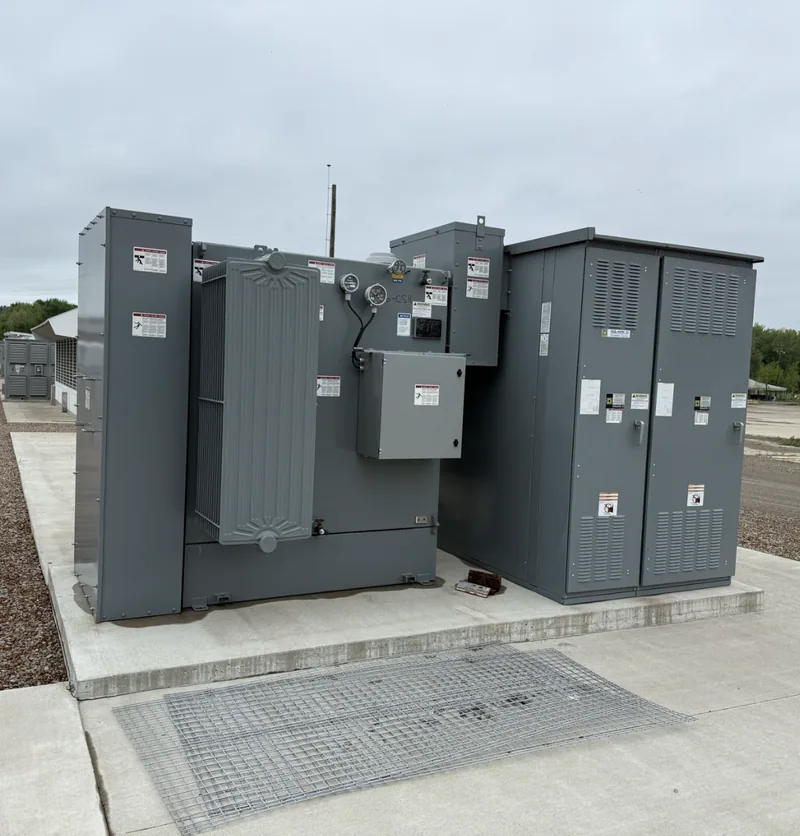
Different transformer types are valued differently because they serve different electrical systems and contain different amounts of recoverable material. Padmount transformers are common in commercial sites, industrial parks, hospitals, campuses, and utility service areas. Polemount transformers are often removed from line upgrades or site changes. Substation transformers, unit substations, and larger distribution transformers may require heavier rigging and more planning, but they can also carry substantial value when the specifications are desirable.
Dry-type transformers are another common category, especially in factories, office buildings, schools, data rooms, and mechanical spaces. They do not contain oil, but they can still be valuable as working equipment or as scrap metal recovery. Oil-filled transformers, step-up and step-down transformers, control transformers, industrial transformers, switchgear, and related electrical equipment are also reviewed. The more clearly the equipment can be identified, the faster a buyer can decide whether it is priced as usable equipment, rebuildable equipment, or scrap.
Value guides
Guides to what your transformer is worth
What is my transformer worth?
If you have transformers taking up space, sitting idle, or retired after a project, understanding their real…
Scrap value vs resale value
When you have surplus or decommissioned electrical transformers to dispose of, understanding the difference…
Is my transformer electrically sound?
When preparing to sell surplus or decommissioned electrical transformers, one of the most critical questions is…
How to read a nameplate
When you are looking to sell surplus, used, or scrap electrical transformers, the most critical piece of…
When to scrap a transformer
Transformers are essential components in electrical systems, but they don’t last forever.
Oil and PCB testing
If you have transformers to sell, understanding transformer oil and PCB testing is crucial to maximize your…
Oil-filled vs dry-type value
When it comes time to sell your surplus or used transformers, understanding the differences in value between…
Decommissioning checklist
Removing transformers from service is more than a mechanical task; it is a coordination of safety,…
How it works
What Affects the Value of a Used Transformer
The value of a used transformer depends on more than weight alone. A working transformer with a useful voltage, common phase, clean nameplate, complete cabinet, and good test results is often priced as equipment rather than by the pound. Size, voltage class, manufacturer, age, condition, configuration, and market demand all play a role. Units that can go back into service after inspection or testing usually have a different value path than units headed directly for recycling.
Failed transformers still matter. A transformer that has burned, shorted, leaked, tested poorly, or sat outside for years may no longer be a candidate for reuse, but it can contain real recoverable value. Copper windings, aluminum windings, core steel, tank steel, bushings, and oil handling all factor into the review. A fair evaluation looks at both equipment potential and scrap recovery potential, then weighs that against pickup, freight, rigging, and processing costs.
Logistics and payment
Photos and Details That Speed Up an Offer
A seller does not need to write a technical report to start the process, but the right details help avoid delays. Useful photos include the nameplate, the full front and sides of the transformer, high-voltage and low-voltage compartments, bushings, gauges, any visible leaks, and the area where the unit sits. For dry-type equipment, interior cabinet photos and coil photos are helpful if they can be taken safely with the unit de-energized and accessible.
Basic site details also matter. A buyer needs to know whether the transformer is indoors or outdoors, on a pad, in a basement, behind a fence, on a mezzanine, still connected, or already disconnected and loaded. Forklift access, crane access, loading dock availability, overhead clearance, and site restrictions can affect the pickup plan. When sellers provide clear photos and straightforward location information, the offer process becomes more accurate and the removal plan becomes easier to build.
Detail
Working, Failed, and Scrap Transformers Are All Reviewed
Many companies assume only working transformers have value, but that is not true. Transformersbuyers.com buys working units, failed units, and scrap units from businesses that need them removed. A working transformer may be a strong candidate for equipment pricing, especially if it has a common kVA rating, desirable voltage, complete enclosure, and usable test documentation. Electrical test reports, oil reports, maintenance records, and decommissioning notes can all support the evaluation when they are available.
A failed transformer can still be a worthwhile asset. It may have suffered an internal fault, lightning damage, overheating, moisture intrusion, or bushing failure, yet still contain valuable windings and steel. Scrap units may be incomplete, damaged, or no longer practical to repair, but they are not automatically worthless. The key is to be clear about the condition so the offer reflects what is actually being purchased and how it must be transported.
Also worth knowing
Pickup, Freight, and Rigging Considerations
Transformer removal is not like moving ordinary surplus material. Many units are extremely heavy, and some are located in tight electrical rooms, behind buildings, inside industrial plants, or in substations with controlled access. Larger units may require cranes, forklifts, lowboy trailers, rollback trucks, riggers, electricians, or coordinated utility clearance. The logistics can be as important as the transformer specifications when determining the final offer.
When a purchase is made, Transformersbuyers.com can coordinate pickup and handle freight and rigging planning. Sellers should be prepared to explain whether the unit is disconnected, drained, staged, accessible, or still in place. If the transformer contains oil, the condition of the tank and any leak history should be shared early. Clear communication helps avoid surprises on pickup day and allows the equipment to leave the property in an orderly way.
Condition and testing
How This Resources Hub Helps Sellers Make Better Decisions
The purpose of this resources area is to give sellers a practical path from uncertainty to action. The guides and glossary help explain common transformer terms, equipment categories, nameplate language, condition issues, and value factors. If you are not sure whether a transformer is padmount or substation, dry-type or oil-filled, reusable or scrap, these resources can help you ask better questions and gather better information before reaching out.
This hub is also designed for business situations where timing matters. Demolition contractors may need a transformer gone before the next phase of work. Facility managers may need old equipment cleared after a service upgrade. Manufacturers, utilities, schools, hospitals, and property owners may have transformers sitting in storage that no longer match their electrical needs. Understanding what you have makes it easier to request a realistic cash offer and plan a safe, efficient removal.
Glossary
Look up a term
- kVA
- Nameplate
- Primary voltage
- Secondary voltage
- Padmount transformer
- Polemount transformer
- Substation transformer
- Dry-type transformer
- Oil-filled transformer
- Unit substation
- Step-up and step-down
- Single-phase vs three-phase
- Winding material
- Impedance
- Bushing
- Dead-front
- Loop feed
- Tap changer
- PCB
- Non-PCB certification
- FR3 natural ester fluid
- Scrap value
- Remanufactured transformer
- Chain of custody
- Demand and lead time
Common questions
Questions sellers ask
What information should I send before asking for an offer on a transformer?
Start with clear photos of the nameplate and the entire transformer. Include the kVA or MVA rating, voltage, phase, manufacturer, weight if shown, and whether the unit is working, failed, or unknown. Also explain where the transformer is located, whether it is disconnected, and what equipment is available for loading. If you have test reports, oil reports, or maintenance records, those can help determine whether the unit may be priced as equipment rather than scrap.
Can I sell a transformer if it no longer works?
Yes. Failed transformers are still reviewed for purchase because they can contain valuable copper or aluminum windings, core steel, tank steel, and other recoverable material. The offer depends on the type, size, condition, location, and cost to remove or transport the unit. Be direct about the failure if you know what happened. A burned, shorted, leaking, or storm-damaged transformer may still be worth real money even when it cannot return to service.
Do you buy transformers from demolition and plant closure projects?
Yes. Transformersbuyers.com buys transformers from demolition jobs, plant shutdowns, facility cleanouts, utility upgrades, and substation rebuilds. These projects often involve equipment that must be removed on a schedule, so photos, site access details, and loading conditions are important. If the transformer is still connected, make sure qualified electrical personnel handle de-energizing and disconnection before removal. Once the purchase details are set, pickup and freight can be coordinated.
How can I tell if my transformer is oil-filled or dry-type?
An oil-filled transformer usually has a sealed tank, bushings, gauges, radiator fins or cooling surfaces, and a nameplate that may list gallons of oil or liquid volume. A dry-type transformer is usually ventilated and has visible air openings or an enclosure around coils and core components. The nameplate often identifies the insulation class and cooling method. If you are unsure, send photos of the unit, nameplate, cabinet, and any gauges or vents for review.
Does transformer weight determine the entire value?
Weight matters, especially for scrap units, but it is not the only factor. A transformer that is complete, working, commonly specified, and supported by useful test information may be worth more as equipment than by raw material weight. Voltage, kVA rating, phase, configuration, condition, oil status, enclosure condition, and market demand all affect value. Location and loading difficulty also matter because freight and rigging costs are part of the overall purchase decision.
Can you pick up transformers from out of state?
Yes. Transformersbuyers.com works with businesses nationwide and can review transformers in all 50 states. The process starts with equipment details, photos, condition information, and site access notes. If the transformer is a fit for purchase, freight and rigging requirements are evaluated as part of the offer. Larger units, multiple-unit lots, and heavy electrical equipment packages are often good candidates for coordinated pickup, especially when the seller can provide accurate loading and location details.
Ready to move the unit?
If you have transformers sitting in a yard, warehouse, electrical room, plant, job site, or substation, this resources hub can help you identify what you have before you sell. Gather the nameplate photos, condition notes, and location details, then reach out for a practical review and cash offer. Transformersbuyers.com buys used, surplus, failed, and scrap transformers from businesses and can coordinate pickup, freight, and rigging when a purchase is made. Call Moses Johnson at 954-740-1983 or email electricalequipmentbuyers@gmail.com