
Overview
Certain builders have established reputations for heavy copper windings and robust core construction, making their older units highly sought after in the secondary market. Other manufacturers focus on lightweight aluminium designs that carry different valuation metrics based on current commodity markets. Whether you have a massive oil-filled unit from a global conglomerate or a specialised dry-type transformer from a regional builder, we assess the equipment based on its specific engineering characteristics. Our purchasing team reviews the manufacturer data to determine the highest possible cash offer for your surplus electrical assets.
Why sell to us
Why The Manufacturer Nameplate Drives Equipment Valuation
The name stamped on your equipment enclosure tells our purchasing team exactly what to expect regarding internal construction and material quality. When utilities and industrial plants standardise their infrastructure, they often stick to specific manufacturers to simplify maintenance. This creates strong secondary market demand for certain nameplates, elevating the value of those surplus units when they are removed from service.
Beyond simple brand recognition, the manufacturer dictates the availability of replacement components like bushings and tap changers. A transformer built by a company with an active parts network is inherently more valuable than an orphaned unit. We carefully examine the nameplate data to verify the exact model series, allowing us to accurately price the asset.
Even in scenarios where the equipment has failed, the brand provides crucial clues about the core and coil composition. Legacy manufacturers known for over-engineering their products often used thicker copper conductors and heavier steel cores, resulting in higher scrap recovery yields.
What we buy
Large Global Builders And Heavy Infrastructure Units
Multinational electrical conglomerates produce the massive substation and transmission transformers that form the backbone of the power grid. Brands like ABB, Siemens, and GE have decades of history manufacturing high-capacity oil-filled units capable of handling immense voltage step-downs. When we evaluate these large-scale assets, we look closely at the manufacturing era, as older units frequently contain substantial amounts of high-grade copper.
The engineering documentation provided by these major manufacturers is typically comprehensive, making it easier to verify the original specifications and PCB status of the insulating fluid. This level of detail streamlines the purchasing process, allowing us to arrange the necessary heavy rigging and licensed fluid handling without delays.
Because these heavy infrastructure units are designed for decades of continuous operation, even decommissioned transformers from these brands retain significant value. Whether the unit is destined for refurbishment or complete material recovery, the robust construction standards ensure a strong cash offer.
Brands
Manufacturers we buy transformers from
ABB
As dedicated ABB transformer buyers, we provide a direct outlet for facilities looking to offload surplus or…
GE / General Electric
As experienced GE transformer buyers, we provide cash offers for surplus, obsolete, and scrap General Electric…
Square D
As leading Square D transformer buyers, we purchase surplus, used, and obsolete units from facilities across…
Eaton / Cutler-Hammer
As dedicated Eaton Cutler-Hammer transformer buyers, we provide a direct channel for facilities looking to…
Siemens
As dedicated Siemens transformer buyers, we provide a direct outlet for facilities looking to offload surplus,…
Schneider Electric
As dedicated Schneider Electric transformer buyers, we provide cash offers for surplus, used, and scrap units…
Howard Industries
As dedicated Howard Industries transformer buyers, we provide a direct channel for utilities and contractors to…
Cooper Power Systems
As experienced Cooper Power transformer buyers, we provide a direct channel for utilities and contractors…
Federal Pacific
As dedicated Federal Pacific transformer buyers, we provide cash offers for surplus, obsolete, and scrap…
Kuhlman Electric
If you are upgrading your utility infrastructure or decommissioning an industrial facility, finding reliable…
ERMCO
As experienced ERMCO transformer buyers, we provide cash offers for surplus and decommissioned units from rural…
Central Moloney
As experienced Central Moloney transformer buyers, we provide a direct outlet for utilities, contractors, and…
Acme Electric
As dedicated Acme Electric transformer buyers, we purchase surplus and decommissioned dry-type units from…
Hammond Power Solutions
As dedicated Hammond Power transformer buyers, we evaluate and purchase surplus dry-type units from facilities…
Jefferson Electric
As experienced Jefferson Electric transformer buyers, we provide fast cash offers for surplus and…
S&C Electric
As dedicated S&C transformer buyers, we purchase surplus and decommissioned S&C Electric Company equipment from…
How it works
North American Utility Distribution Specialists
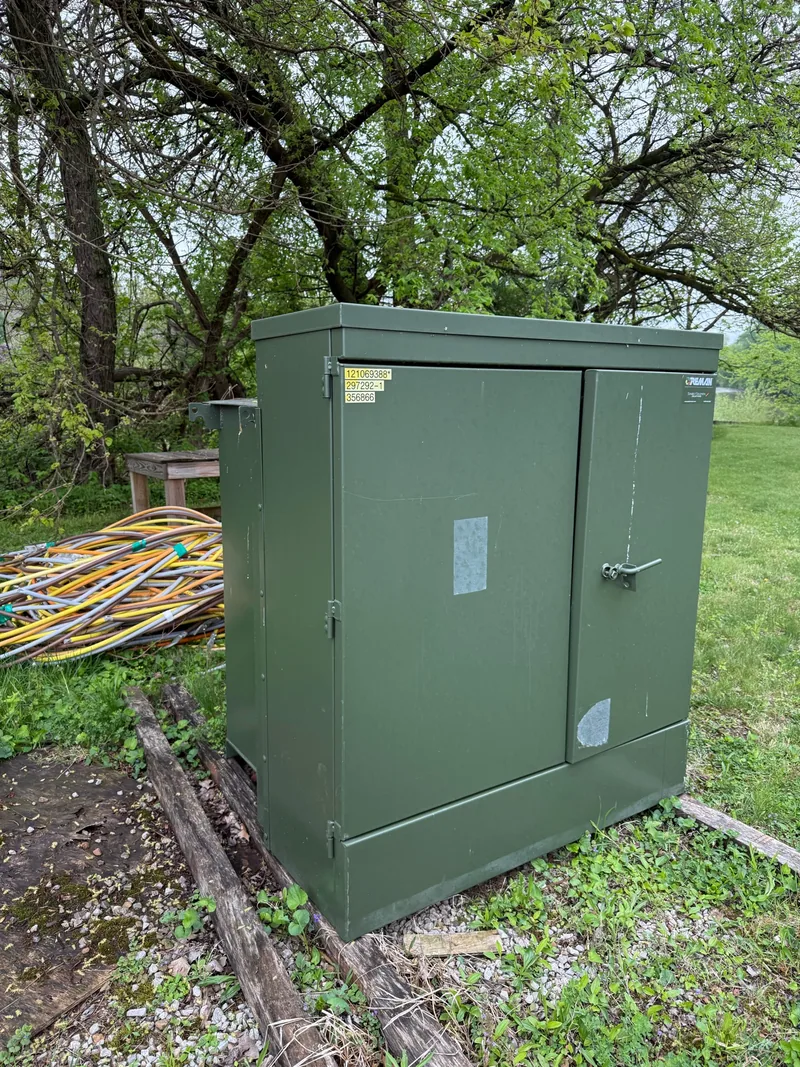
The distribution network relies heavily on polemount and padmount transformers manufactured by companies that specialise in utility-scale deployment. Builders such as Cooper Power Systems, Howard Industries, and ERMCO have supplied millions of units to rural electric cooperatives across the country. These brands represent a significant portion of the surplus equipment we purchase from contractors and utility yards.
Valuation for these distribution specialists often hinges on the specific winding materials and the kVA rating of the unit. Many of these manufacturers shifted between copper and aluminium conductors depending on the production year and the specific utility contract requirements. We analyse the serial numbers to determine the exact internal configuration before presenting an offer.
Because these units are so ubiquitous, there is a constant flow of surplus equipment entering the market as infrastructure is upgraded. We coordinate the freight and removal of these distribution transformers directly from your laydown yard, handling everything from single surplus padmounts to entire lots of decommissioned pole-type units.
Logistics and payment
Dry-Type And Indoor Power Quality Manufacturers
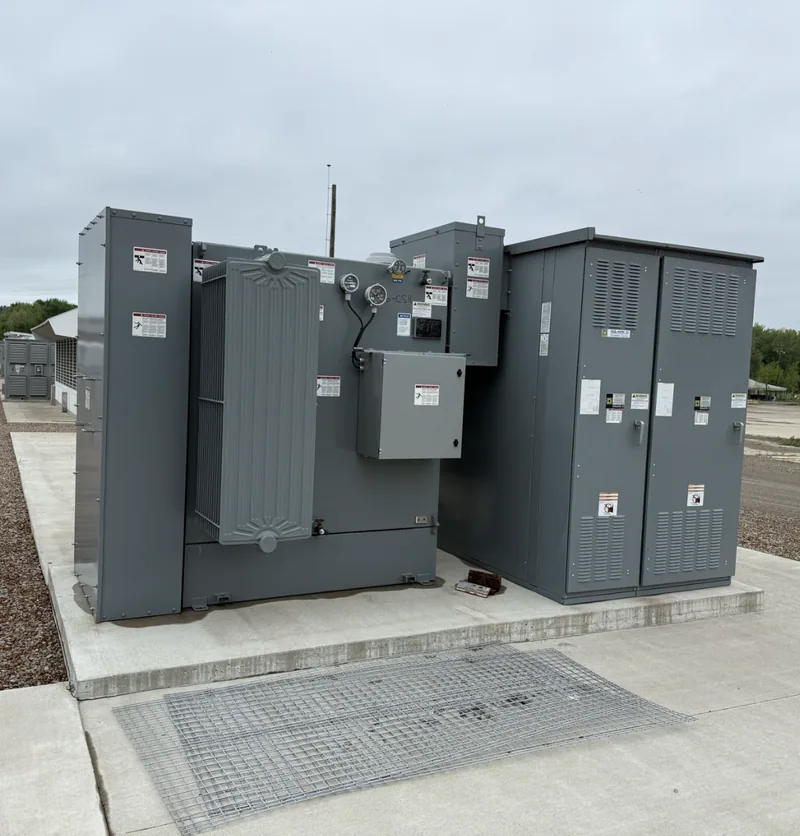
Indoor facilities, commercial buildings, and manufacturing plants typically utilise dry-type transformers built by specialised manufacturers. Brands like Square D, Cutler-Hammer, and Acme Electric dominate this segment, producing ventilated and cast resin units that do not rely on liquid insulation. When evaluating these indoor units, the absence of oil simplifies the removal process, but the brand still plays a critical role.
Dry-type transformers from premium manufacturers are often sought after for industrial facility expansions, provided they have been kept in clean environments. The value of these units is heavily influenced by the enclosure type and the condition of the visible coil windings. We frequently purchase surplus dry-type units from electrical contractors performing major electrical room upgrades.
Even when these indoor units have reached the end of their operational life, the scrap value is directly tied to the manufacturer's design choices. Some brands are known for using tightly wound copper coils that yield excellent recovery rates, while others utilise aluminium strip windings that require different processing methods.
Detail
Legacy Brands And Consolidated Manufacturers
The electrical equipment industry has seen massive consolidation over the past several decades, resulting in many respected transformer brands being absorbed by larger corporations. Nameplates bearing legacy brands like Westinghouse, McGraw-Edison, or Federal Pacific are still commonly found in older industrial facilities. Despite the original companies no longer existing, these legacy units hold considerable value in the surplus market.
Many of these older transformers were built during eras when material costs were lower, meaning they often contain significantly more copper and steel than modern equivalents. Our evaluation process accounts for this heavier construction, allowing us to offer competitive pricing for vintage equipment being removed during plant modernisations.
When dealing with older oil-filled units from consolidated manufacturers, verifying the original dielectric fluid specifications is a critical step. We manage the environmental compliance aspects of purchasing these legacy transformers, ensuring that all fluid testing and transportation is handled through properly licensed channels.
Also worth knowing
Specialised Industrial And Network Transformer Builders
Certain applications require highly specialised transformers, such as those used in underground vault networks, mining operations, or heavy industrial arc furnaces. Manufacturers that focus on these niche markets produce incredibly rugged equipment designed to withstand harsh environments. When we encounter surplus network transformers, the brand name immediately indicates the specialised nature of the asset.
These units are often custom-engineered for specific installations, making their secondary market demand highly dependent on finding a buyer with identical requirements. However, the sheer mass and material density of these specialised transformers make them incredibly valuable from a material recovery standpoint. We have the logistical expertise to extract these heavy units from difficult locations.
Whether you are decommissioning a steel mill or upgrading a municipal underground grid, we evaluate these specialised brands based on their massive core structures and heavy conductive elements. Our team arranges the complex rigging required to safely remove these oversized assets from your facility.
Scrap value
When the brand does not save it from scrap
- Scrap copper transformers
- Aluminium-wound transformers
- How much copper is in a transformer
- Transformer scrap price per pound
- Where to sell electrical transformers
- Companies that buy scrap transformers
- Oil-filled transformer disposal
- PCB transformer disposal
- Dry-type transformer scrap
- Scrap value vs resale value compared
Common questions
Questions sellers ask
Does the manufacturer brand affect the scrap value of a failed transformer?
Yes, the brand provides insight into the internal construction and material usage. Legacy manufacturers often built units with heavier copper windings and thicker steel cores compared to modern lightweight designs. This historical manufacturing data helps us determine the expected material yield and calculate an accurate cash offer for your failed equipment.
Do you buy transformers from brands that are no longer in business?
We frequently purchase equipment from defunct or consolidated manufacturers like Westinghouse and Federal Pacific. These legacy units are often heavily constructed and contain valuable conductive metals. We evaluate these older assets based on their weight, kVA rating, and internal composition, regardless of whether the original company still exists.
How do I identify the brand if the nameplate is faded or missing?
If the primary nameplate is illegible, we can often identify the manufacturer by examining the enclosure design, the style of the cooling radiators, or the specific type of bushings used. Sending us clear photographs of the entire unit, along with any visible stamped numbers on the tank, helps our team determine the origin of the equipment.
Are certain dry-type transformer brands more valuable than others?
The value of dry-type units depends heavily on whether the manufacturer utilised copper or aluminium for the coil windings. Brands known for producing premium copper-wound ventilated units generally command higher prices. We review the catalogue numbers to verify the winding material and present an offer based on those specific construction details.
Do you handle the removal of large substation transformers from global builders?
We arrange all the necessary rigging, heavy hauling, and freight for massive substation units built by major global manufacturers. Our team coordinates the logistics required to safely extract these oversized assets from your facility, including managing the licensed handling of the insulating oil prior to transportation.
Why do utility distribution brands have different valuation metrics?
Utility-focused brands often produced identical kVA ratings using different internal materials based on specific municipal contracts. A polemount unit from a major distribution builder might contain either copper or aluminium windings depending on the production run. We analyse the specific serial data to confirm the internal components before finalising our valuation.
Ready to move the unit?
Understanding the value of your surplus electrical equipment starts with identifying the manufacturer and the specific construction details of the unit. We evaluate all major brands and arrange the complete removal of your obsolete assets from any location nationwide. Call 954-740-1983 or email electricalequipmentbuyers@gmail.com to discuss your equipment and receive a direct cash offer today.