
Overview
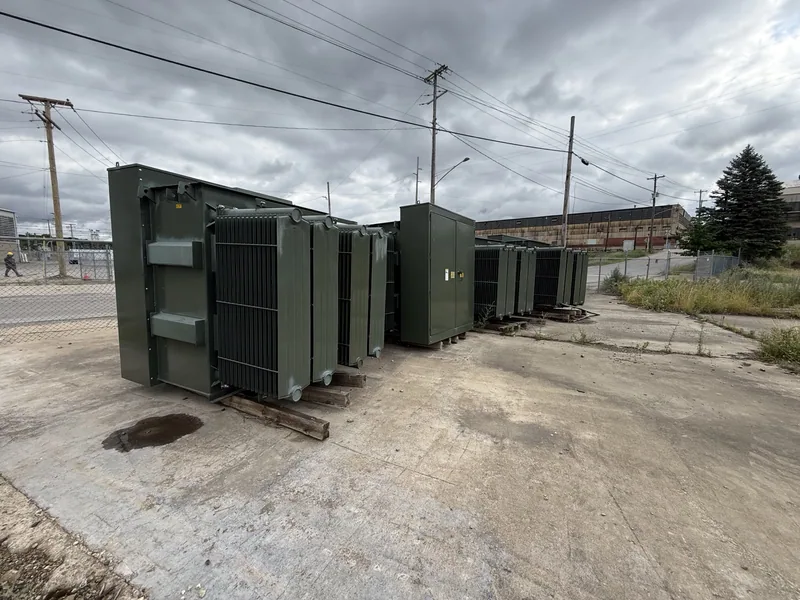
We purchase surplus and obsolete transformers from facilities nationwide, evaluating the internal composition to provide a fair cash offer. Whether you are decommissioning a substation or clearing out padmount units, understanding the difference between gross weight and recoverable yield is essential. Send us your nameplate photos and we will calculate the true value of your equipment.
Why sell to us
Why Gross Weight Does Not Equal Payable Weight
When a facility manager looks at a transformer nameplate, the total weight figure often creates unrealistic expectations for the final payout. The gross weight includes the heavy steel tank, the core laminations, the windings, the bushings, and hundreds of gallons of insulating oil. None of these components share the same scrap value, and some represent a disposal cost rather than a revenue source.
To calculate the true value of your equipment, buyers must separate the recoverable non-ferrous metals from the ferrous casing and the fluid. The steel tank and radiators make up a massive portion of the physical footprint but carry a much lower market value than the internal coils. Insulating oil adds thousands of pounds to the scale but must be drained and processed through licensed channels.
This is why a flat rate applied to the entire unit is never accurate. The payable weight is strictly the calculated yield of the valuable metals inside the casing, minus the tare weight of the fluids and the lower-grade steel housing. We evaluate the specific kVA rating to estimate this internal yield accurately.
What we buy
The Impact of Copper Versus Aluminium Windings
The most significant factor influencing your final payout is the material used for the internal windings. A copper-wound unit and an aluminium-wound unit might look identical from the outside, but their internal scrap values will settle very differently. Copper carries a noticeably higher market value than aluminium, making copper-wound transformers highly sought after.
Because copper is denser than aluminium, a copper-wound transformer will generally have a higher total weight than its aluminium counterpart of the same kVA rating. The intrinsic value of the copper itself drives the payout much higher. When we assess your equipment, identifying the winding material is our first priority.
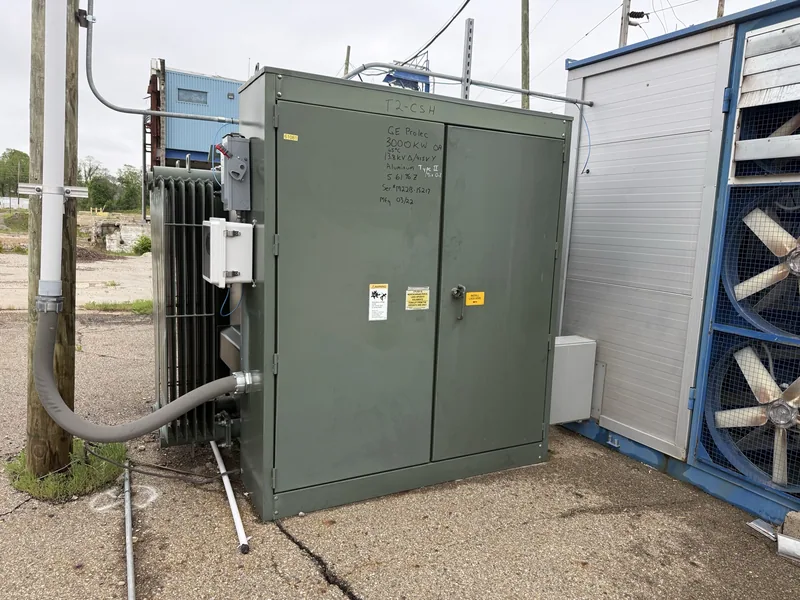
Many modern distribution and padmount transformers utilize aluminium windings to reduce manufacturing costs, while older substation units frequently contain heavy copper coils. The nameplate often indicates the winding material, but our team also uses the total weight and manufacturing specs to confirm the internal composition before making a cash offer.
How it works
Core Laminations and Steel Casing Valuation
Beyond the valuable windings, the magnetic core represents a massive portion of the internal structure. The core is constructed from stacked laminations of electrical-grade silicon steel, designed to minimize energy loss. While this specialized steel is heavier than standard scrap iron, it does not command the premium prices associated with non-ferrous metals like copper or aluminium.
The outer tank, cooling radiators, and structural supports are typically made from standard carbon steel. This ferrous material adds significant bulk to the gross weight but is valued at standard heavy melting steel rates. When calculating the overall worth of the unit, the steel components provide a baseline value that is added to the premium generated by the internal coils.
Because the steel casing requires heavy machinery to cut open and dismantle, the cost of extraction is factored into the final assessment. We handle all the rigging, freight, and removal, meaning the heavy steel shell is transported away from your site without you needing to arrange specialized flatbed hauling.
Logistics and payment
How Insulating Oil Affects the Final Calculation
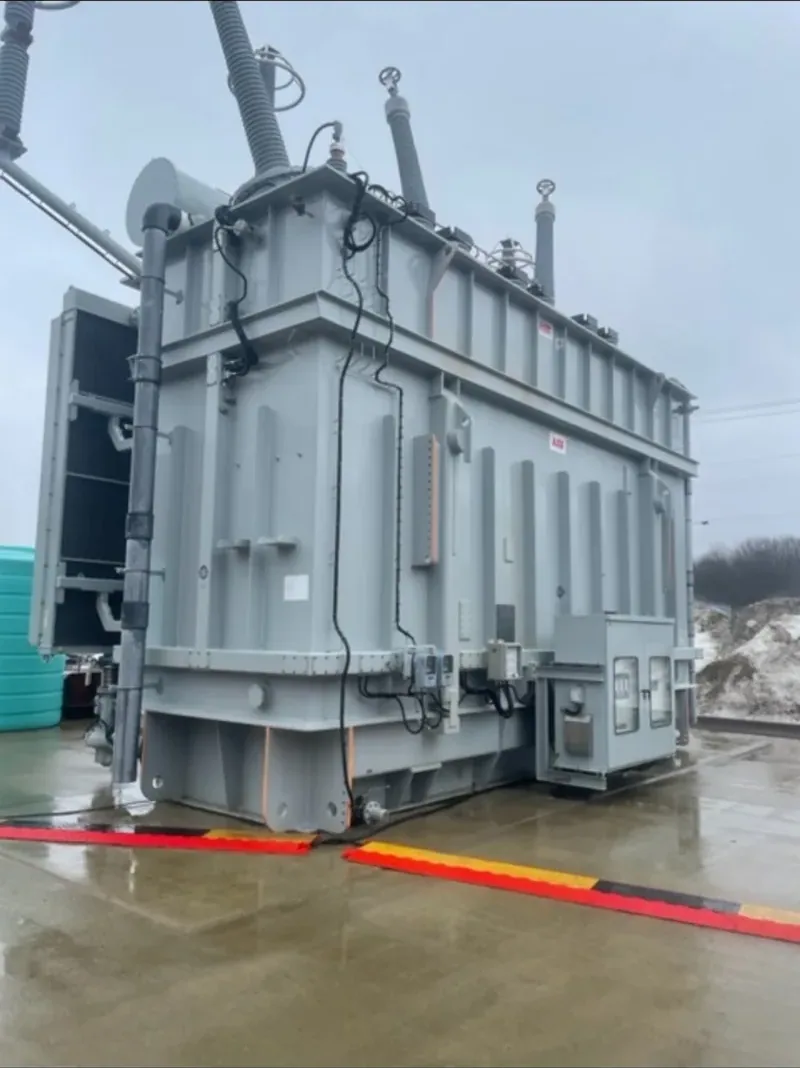
For oil-filled transformers, the dielectric fluid is a major variable in the valuation process. A large substation transformer can hold thousands of gallons of mineral oil, adding immense weight to the unit. This fluid weight is never included in the payable metal calculation. Instead, the oil must be carefully drained, transported, and processed, requiring specialized handling and strict environmental compliance.
The presence of oil means the unit must be tested for PCBs before it can be fully processed. We handle oil-filled and PCB-tested units through licensed channels, ensuring that all fluids are managed properly. The cost of this environmental compliance and fluid processing is deducted from the gross value of the transformer.
When you provide the nameplate data, we look at the fluid capacity listed by the manufacturer. By subtracting the known weight of the oil from the gross weight, we can isolate the dry weight of the metal components. This allows us to give you an accurate assessment of the actual recoverable material inside the tank.
Detail
Bushings, Insulators, and Non-Metallic Components
Every transformer contains various non-metallic components that contribute to the gross weight but offer zero scrap value. Porcelain bushings, paper insulation, wood supports, and fiberglass components are essential for the electrical operation of the unit but become waste material during the dismantling process. These items must be separated from the valuable metals and disposed of properly.
The paper insulation wrapped around the copper or aluminium coils is particularly relevant to the valuation. This paper is saturated with oil and tightly bound to the metal, meaning the coils cannot be processed as clean bare metal immediately. The weight of this paper and the labor required to strip it away are factored into the final price assessment.
When we evaluate your surplus equipment, we account for the typical ratio of waste material found in your specific type of transformer. By understanding these ratios, we can provide a firm cash offer that reflects the true net yield of the equipment.
Also worth knowing
Why We Need Nameplate Photos for a Firm Quote
Because every manufacturer designs their equipment differently, it is impossible to provide an accurate valuation based on a vague description or a rough estimate of the physical size. The only way to determine the true internal composition is by reading the original manufacturer nameplate. This small metal tag contains the exact specifications needed to calculate the recoverable metal yield.
The nameplate tells us the kVA rating, the high and low voltages, the total gross weight, the core and coil weight, the fluid capacity, and often the winding material. With this specific data, we can cross-reference the unit against known manufacturing standards to determine exactly how much copper, aluminium, and steel is hidden inside the casing.
To get a firm cash offer for your surplus or obsolete transformers, simply snap a clear photo of the nameplate and a few wide shots of the unit itself. Once we have this information, we can calculate the exact value and arrange for the removal of the equipment from your facility.
Brands
Brands that hold resale value over scrap value
More on transformer scrap value
Common questions
Questions sellers ask
Why is the payable weight lower than the nameplate weight?
The nameplate weight represents the gross physical mass of the entire unit, including the steel tank, the porcelain bushings, the paper insulation, and the dielectric fluid. The payable weight only accounts for the recoverable metals, such as the copper or aluminium windings and the steel core. The oil and non-metallic waste are deducted from the gross total.
Does a copper transformer pay more than an aluminium one?
Yes, a copper-wound transformer will always yield a higher payout than an aluminium-wound unit of the exact same size and kVA rating. Copper is a denser, heavier metal that carries a significantly higher intrinsic market value than aluminium. We always check the nameplate specifications to confirm the winding material before calculating your final cash offer.
How do you handle the oil inside the transformer?
We manage all oil-filled and PCB-tested units through fully licensed channels. The dielectric fluid is carefully drained, transported, and processed according to strict environmental regulations. The weight of this oil is subtracted from the gross weight of the unit, as it represents a processing requirement rather than a recoverable metal asset.
Do I need to drain the transformer before you buy it?
No, you do not need to drain the fluid or dismantle the equipment. We buy transformers in their complete, original condition and handle all the necessary processing. Our team will arrange the rigging, freight, and removal directly from your site, taking the heavy lifting and environmental compliance entirely off your hands.
What information is required to get a firm cash offer?
To provide an accurate valuation, we need clear photos of the equipment and a close-up picture of the manufacturer nameplate. The nameplate provides the kVA rating, gross weight, core and coil weight, and fluid capacity. This specific data allows us to calculate the exact internal metal yield and offer a firm price.
Do you buy dry-type transformers as well as oil-filled units?
Yes, we purchase all types of surplus electrical equipment, including dry-type, padmount, substation, and polemount transformers. Dry-type units do not contain insulating oil, which simplifies the valuation process, but they still require a careful assessment of the internal copper or aluminium windings to determine the correct payout.
Ready to move the unit?
Stop guessing at the value of your surplus electrical equipment and let our experts calculate the true metal yield. We handle the freight, rigging, and removal so you can clear your site without the hassle. Call 954-740-1983 or email electricalequipmentbuyers@gmail.com today to get a firm cash offer for your transformers.