
Overview
Without this critical piece of identification, a transformer is essentially a mystery box of copper, steel, and oil, making it impossible to safely integrate into a power grid or accurately assess for asset recovery. The nameplate provides a standardized summary of the unit's electrical characteristics, physical dimensions, and manufacturing history. Engineers rely on this data to ensure compatibility with existing substation infrastructure, while maintenance teams use it to verify cooling requirements and impedance matching. When a facility undergoes a power upgrade or equipment replacement, the information stamped on this metal plate becomes the primary factor in determining the unit's residual value.
Why sell to us
The Anatomy of a Standard Transformer Identification Plate
The physical construction of a transformer nameplate is dictated by strict industry standards, primarily established by the Institute of Electrical and Electronics Engineers. These organizations mandate that the plate must be made of a durable, corrosion-resistant material, typically stainless steel or anodized aluminum, to withstand decades of exposure to harsh environmental conditions. The information is deeply engraved or stamped into the metal, ensuring that the data remains legible even if the exterior of the transformer is subjected to extreme weathering during its operational lifespan.
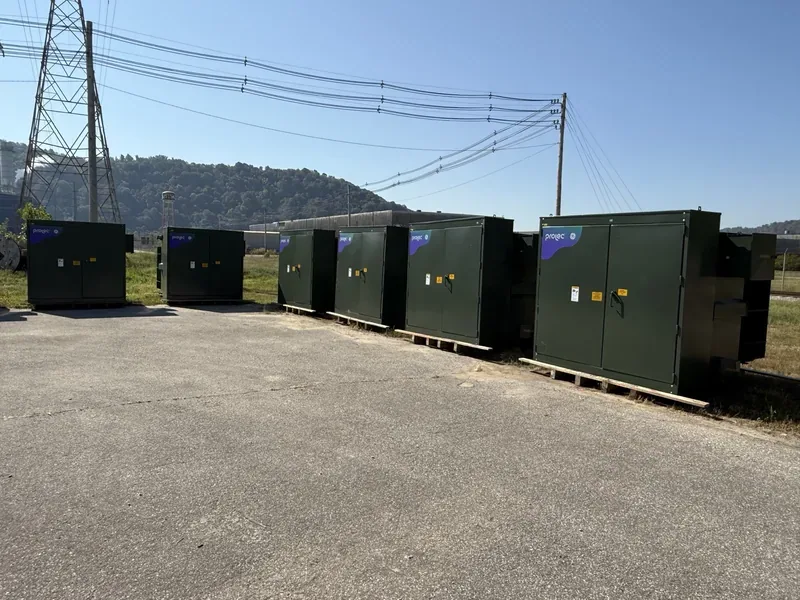
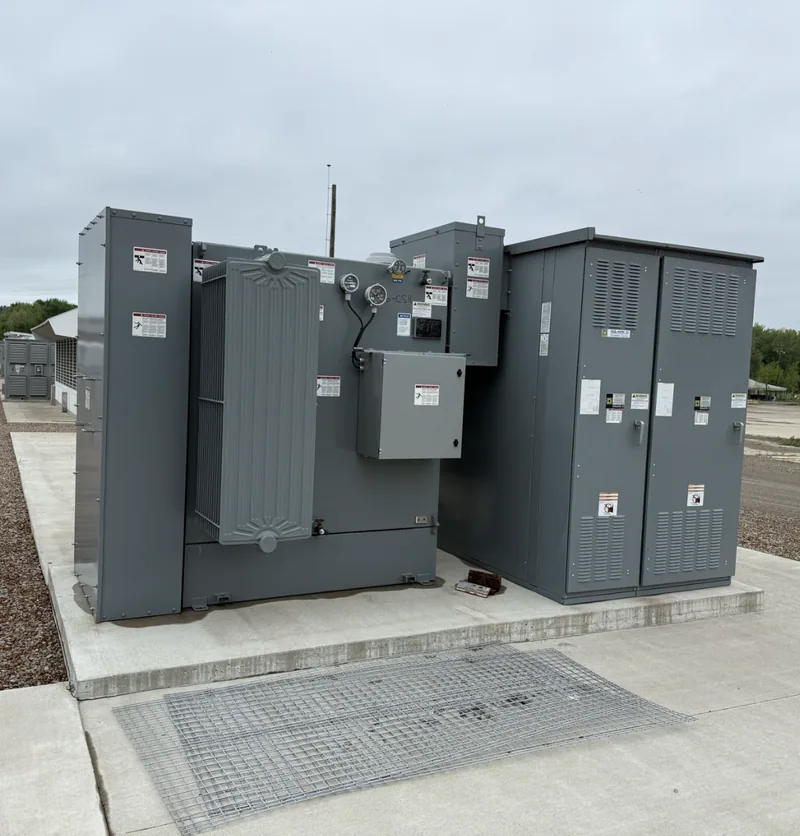
Locating the nameplate is generally straightforward. On padmount units commonly found outside commercial buildings, the plate is almost always located inside the low-voltage compartment door. For large substation transformers, the nameplate is typically mounted on the exterior of the main tank, often near the control cabinet. The layout of the data is designed for rapid comprehension, with the top section prominently displaying the manufacturer's logo, the date of manufacture, and the unique serial number.
What we buy
Key Electrical Specifications and Voltage Ratings
The most critical electrical parameters displayed on the nameplate are the primary and secondary voltage ratings. These figures indicate the exact voltage levels the transformer is designed to step down or step up. The primary voltage represents the input from the utility grid, while the secondary voltage is the output delivered to the facility's electrical distribution system. These values are often expressed in a specific format, such as twelve thousand four hundred and seventy grounded wye over seven thousand two hundred, providing precise information about the winding configuration.
In addition to the nominal voltage ratings, the nameplate also details the available tap settings. Most industrial transformers are equipped with a tap changer, allowing operators to make slight adjustments to the turns ratio to compensate for minor fluctuations in the supply voltage. The basic impulse insulation level is another crucial electrical specification found on the plate. This value indicates the maximum voltage surge the transformer's insulation system can withstand.
How it works
Understanding KVA Capacity and Cooling Classifications
The kilovolt-ampere rating, prominently featured on every nameplate, defines the maximum apparent power the transformer can continuously deliver without exceeding its designed temperature rise. This figure is the primary indicator of the unit's size and capability. A small commercial facility might utilize a five hundred kilovolt-ampere padmount, while a major manufacturing plant could require a substation unit rated at twenty thousand kilovolts-amperes. The capacity rating directly dictates the physical size of the core and coils, the volume of insulating fluid required, and the overall footprint.
Closely tied to the capacity rating is the cooling class, which describes the method used to dissipate the heat generated during operation. The nameplate uses specific letter codes to indicate the cooling medium and the circulation method. For example, a designation of oil natural air natural means the unit relies on the natural convection of mineral oil inside the tank and the natural flow of ambient air over the exterior radiators.
Logistics and payment
Impedance Values and Parallel Operation Requirements
Impedance, expressed as a percentage on the nameplate, is a measure of the internal opposition to current flow within the transformer. This value is determined during factory testing and is critical for calculating the maximum short-circuit current that could flow through the system in the event of a fault. Electrical engineers use the nameplate impedance to properly size downstream circuit breakers, fuses, and other protective devices. If the impedance is too low, a short circuit could result in catastrophic damage.
The impedance value is also the deciding factor when a facility needs to operate multiple transformers in parallel to share a large electrical load. For two units to share the load equally and safely, their nameplate impedance values must be nearly identical. If a facility attempts to parallel units with mismatched impedances, the unit with the lower impedance will draw a disproportionate share of the current, leading to rapid overheating.
Detail
Physical Dimensions, Weights, and Oil Capacity
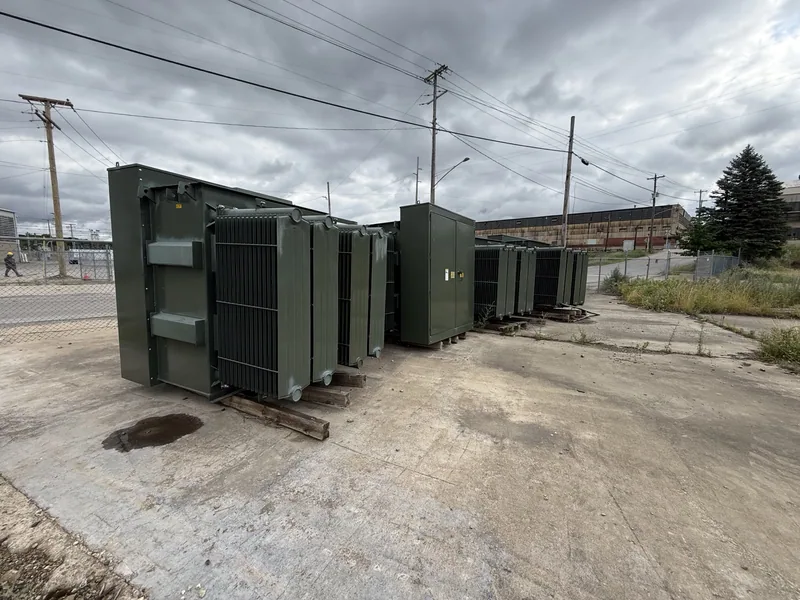
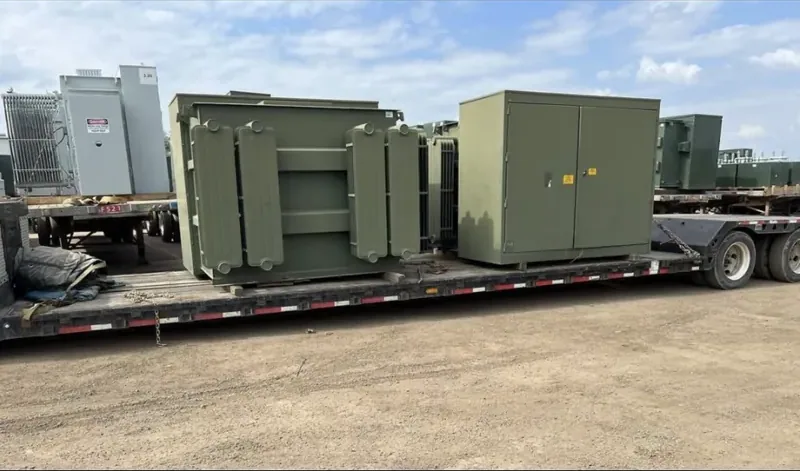
Beyond the electrical characteristics, the nameplate provides essential logistical data, starting with the total weight of the unit. This figure is broken down into the weight of the core and coils, the weight of the tank and fittings, and the weight of the insulating fluid. For large substation transformers, the total weight can easily exceed one hundred thousand pounds. This information is absolutely critical when planning the removal of a surplus unit, as it dictates the size of the crane required for rigging and the type of specialized trailer needed for highway transport.
The nameplate also specifies the exact volume and type of insulating fluid contained within the tank. Most standard units use highly refined mineral oil, but units installed indoors may use less flammable fluids. Knowing the exact gallon capacity is necessary for environmental compliance during decommissioning, as the fluid must be properly pumped out and transported by certified handlers.
Also worth knowing
How Nameplate Data Determines Your Cash Offer
When you are ready to clear out surplus electrical equipment, the information on the nameplate is the exact data we use to calculate your cash offer. We do not need you to test the equipment; we simply need a clear photograph of that metal tag. The kilovolt-ampere rating, voltages, and manufacturing date tell our evaluation team exactly what you have. A modern voltage configuration will command a premium price as a reusable asset, while an obsolete unit will be accurately priced based on the exact weight of the copper or aluminum windings specified on the plate.
We handle the entire process from that point forward. Once we review the nameplate data, we make certain that all logistics, heavy rigging, and specialized freight transportation are fully managed by our team. You do not need to worry about coordinating cranes or securing oversize load permits. We take responsibility for the safe removal of the asset from your property.
Common questions
Questions sellers ask
What should I do if the nameplate on my surplus transformer is missing or unreadable?
If the identification plate has been removed or corroded beyond recognition, identifying the unit becomes much more difficult. You can often find the original specifications in your facility's electrical single-line diagrams or maintenance logs. If no documentation exists, our team can still evaluate the unit based on its physical dimensions and total weight. While a missing plate means the unit cannot be reused and must be processed for scrap, we still buy these units for their valuable internal metals.
Does the manufacturing date on the nameplate affect how much you will pay for the equipment?
Yes, the age of the unit plays a significant role in the valuation process. Transformers built within the last twenty years that feature common industrial voltages are highly desirable for redeployment and generally command the highest prices. Units manufactured before nineteen eighty require strict environmental scrutiny due to the potential presence of hazardous insulating fluids. However, older units often contain heavier, more robust copper windings, which hold substantial intrinsic value even if the unit is obsolete.
How do I find the total weight of the transformer on the identification plate?
The total weight is typically listed in a dedicated section near the bottom of the plate, often labeled as "Total Mass" or "Total Weight" and expressed in pounds or kilograms. This figure is usually accompanied by a breakdown showing the specific weight of the core and coil assembly, the empty tank, and the insulating fluid. We rely heavily on this exact number to arrange the correct crane capacity and secure the appropriate heavy-haul freight permits.
Why do you need a picture of the nameplate instead of just a description of the transformer?
A clear photograph of the plate eliminates any guesswork and prevents costly logistical errors. The plate contains highly specific engineering data, including the exact impedance, tap settings, and connection diagrams, which are impossible to determine just by looking at the exterior of the tank. By reviewing the actual stamped data, our evaluation team can provide a precise and accurate cash offer based on the unit's true specifications, ensuring that we dispatch the correct transportation equipment.
Who buys transformers near me if I have multiple units with different nameplate specifications?
We purchase surplus electrical equipment nationwide, across all fifty states, regardless of the varying specifications. Whether you have a mix of small padmounts, large substation units, working assets, or failed equipment, we can evaluate the entire lot. Simply provide the nameplate data for each individual unit. We will assess the combined value of the reusable equipment and the scrap units, and then coordinate the complex logistics required to remove all the different transformers from your facility.
Ready to move the unit?
Understanding the technical data stamped on your equipment is the first step in recovering its maximum value. Whether you are managing a plant decommissioning, upgrading your facility's power infrastructure, or clearing out a storage yard, we are ready to purchase your surplus assets. We buy working, failed, and scrap units from businesses across the country, handling all the heavy rigging, environmental compliance, and specialized freight logistics. Do not let valuable electrical equipment sit idle. Gather your nameplate photos and reach out to our evaluation team today to get your equipment ready to sell. Call or email us at 954-740-1983 or electricalequipmentbuyers@gmail.com.