
Overview
We buy across industrial plants, data centers, hospitals, universities, utilities, and commercial campuses in all 50 states. Our team arranges safe disconnect, rigging, freight, and prompt payment so your project stays on schedule. Send a few photos and basic specs for a fast cash offer. You are never stuck figuring out crating or shipping—our buyers and rigging partners handle the heavy lifting. Call Moses Johnson at 954-740-1983 or email electricalequipmentbuyers@gmail.com to start the process today.
Why sell to us
What Counts as Switchgear and a Unit Substation
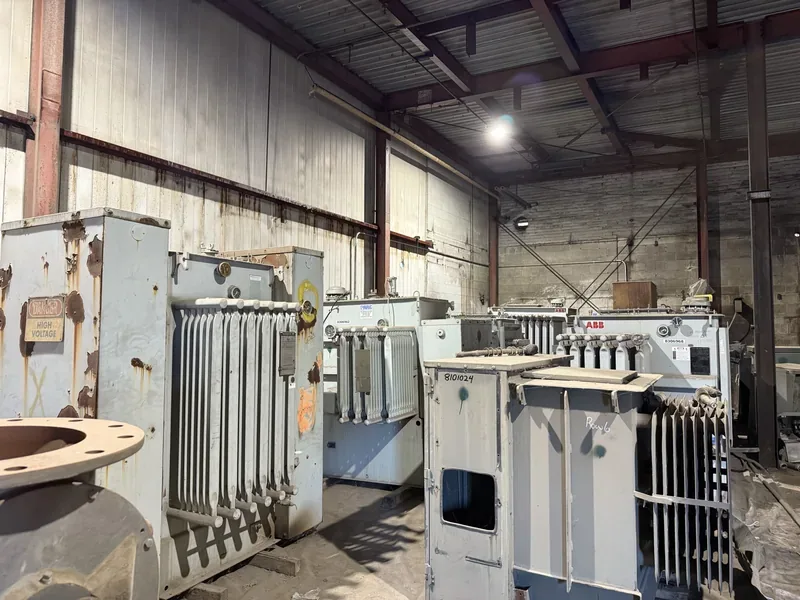
Switchgear is the assembly of metal-enclosed equipment used to control, protect, and isolate electrical circuits. In low voltage applications this may be UL 1558 or 891 switchgear with drawout power circuit breakers, main-tie-main arrangements, and metering. In medium voltage, typical metal-clad gear includes vacuum or older air/oil/SF6 breakers, protective relays, instrument transformers, bus, and compartments rated for 5 kV, 15 kV, or higher classes. We buy both low and medium voltage gear, from single sections to long lineups.
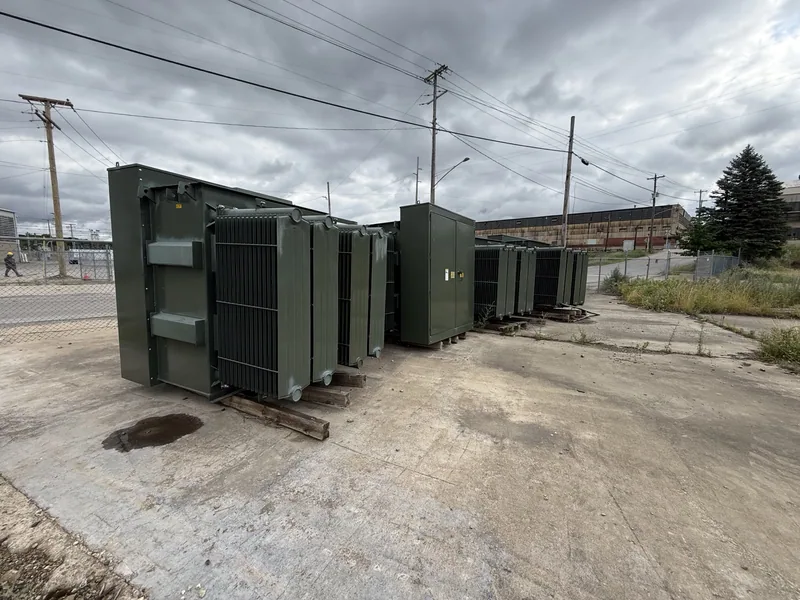
A unit substation combines a primary switch (or switchgear), a transformer, and a secondary distribution section as an integrated system. These can be indoor dry-type designs or liquid-filled transformer units feeding 480Y/277 V switchboards or switchgear. Common layouts include primary fused switches or breakers, a transformer mounted back-to-back or on a pad, and secondary main breakers with distribution feeders. Whether your equipment is a compact skid or separate, bolted sections, we purchase the entire assembly or its components.
What we buy
Where These Systems Are Used and Typical Layouts
You will find switchgear and unit substations wherever reliable power distribution and protection are essential. Large commercial buildings use low voltage switchgear to manage 480 V systems. Water treatment plants, refineries, and manufacturing lines run on medium voltage gear to feed motor loads and process equipment. Data centers commonly deploy redundant lineups with modern relays and metering for uptime. Hospitals and campuses rely on unit substations to step down utility medium voltage to building distribution levels.
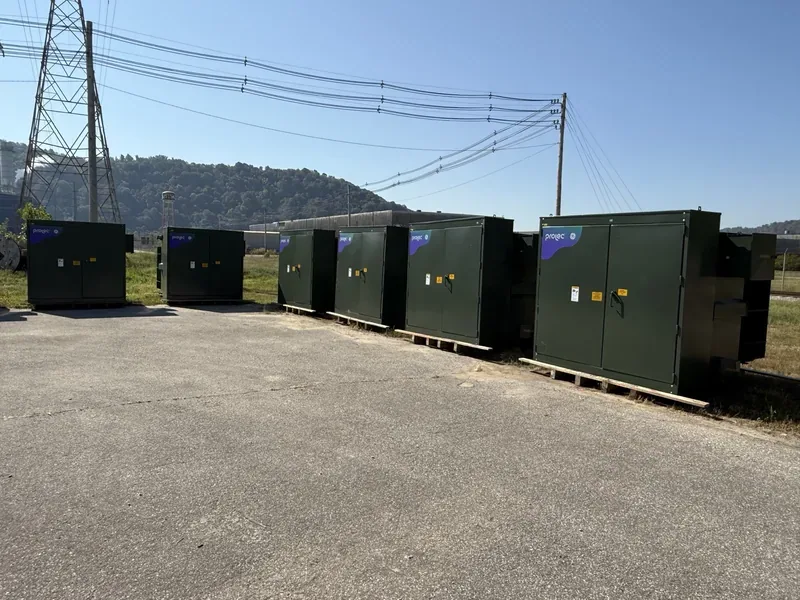
Common configurations include main-tie-main schemes with synchronized transfer, ring-main arrangements for medium voltage loops, and unit substations where the transformer secondary lands directly on a switchboard or switchgear section. We see dry-type transformers coupled to secondary switchgear in mechanical rooms and liquid-filled padmounts outside with primary switches in adjacent enclosures. No matter the environment or layout, we will evaluate and bid your lineup based on the actual nameplate data and condition.
How it works
Typical kVA, Voltage Classes, and Ratings We See
Unit substation transformers typically range from about 500 kVA to 4,000 kVA in building applications, with larger industrial sites reaching several MVA. Primary voltages often fall in the 4.16 kV, 12.47 kV, 13.2 kV, 13.8 kV, 24.9 kV, or 34.5 kV classes, while secondaries are commonly 480Y/277 V, 208Y/120 V, or 2400/4160 V depending on the facility’s distribution. Medium voltage switchgear is usually ANSI 5 kV, 15 kV, or 27 kV class with BIL ratings matching the voltage class.
Low voltage switchgear bus ratings commonly run 1200 A to 4000 A with short-circuit ratings aligned to available fault current. Medium voltage breakers are specified by continuous current, interrupting ratings, and insulation class. We also consider details such as CT and PT ratios, relay vintage, available communication modules, and breaker families. Whether your unit is a 15 kV metal-clad lineup with vacuum breakers or a 3000 kVA substation feeding 480Y/277 V, we can price it quickly with clear photos of the plates.
Logistics and payment
What Drives Value: Condition, Materials, and Completeness
Working equipment with intact breakers, relays, and doors will usually bring a stronger offer than units missing parts. Failed gear and faulted transformers still have value, especially if they are complete and easily identifiable by nameplate. We buy both working and failed units, and we evaluate the value pathway based on age, brand, and whether it is better suited for reuse, components, or scrap recovery.
Copper content is a factor, particularly in transformers within unit substations. Copper-wound cores and windings generally command more than aluminum, and dry-type copper coils can be desirable in certain markets. In liquid-filled units, oil condition matters. Clear documentation that the transformer fluid is mineral oil or natural ester and labeled as “Non-PCB” is a plus. On the medium voltage side, intact bushings and undamaged insulators protect value. For switchgear, complete breaker cells, intact bus, operational mechanisms, and readable relay settings are all positives.
Detail
Nameplate Photos That Help Us Price Accurately
Clear nameplate photos shorten the quoting cycle and improve offers. For transformers in unit substations, we need kVA, primary and secondary voltages, impedance, temperature rise, frequency, cooling class (OA/FA), fluid type, and any PCB labeling. If the unit is dry-type, photos of the coil faceplates and thermal rise plates help. If there is an oil sample tag or recent test data, include that as a separate photo. Serial numbers and manufacturing dates are important for both identification and age.
For switchgear, photograph the assembly nameplate showing voltage class, bus rating, short-circuit rating, and enclosure type. Then capture each breaker’s nameplate indicating frame size, continuous current, interrupting rating, control voltage, and model family. Include relay faceplates, CT/PT ratio labels, and any one-line diagram or compartment schedule inside the doors. Wide shots of the lineup, open cell interiors, and bushing labels on medium voltage compartments round out the set. More clarity upfront leads to precise, timely bids.
Also worth knowing
De‑Energization, Isolation, and Safe Removal We Arrange
We coordinate with your team to ensure equipment is fully de‑energized and locked out before any physical work begins. Once isolated, our buyers or rigging partners document cable terminations, labeling, and grounding. We remove incoming and outgoing conductors at stress cones or lugs as directed by your site representative. Breakers are racked out or secured for transport, and control power sources are identified and made safe.
For unit substations, we separate primary and secondary sections as needed, then unbolt the transformer from skids or housekeeping pads. Where required, we manage draining of liquid-filled transformers to transport-safe levels and cap fittings to prevent leaks. Indoor dry-type units are protected against coil damage and dust ingress. Throughout the process, our focus is on keeping your space clean and minimizing disruptions to adjacent systems, whether we are in a mechanical room, a basement vault, or an outdoor yard.
Condition and testing
Packing, Oil and Gas Handling, and Nationwide Shipping
Proper packing preserves value and keeps freight smooth. Breakers are blocked, braced, and wrapped. Relay doors are latched and panels protected. For liquid-filled transformers, we handle fluid transfer into approved totes if required for transport and re-seal ports. If your switchgear includes SF6-insulated equipment, we coordinate recovery by qualified partners and document cylinder pressures before removal. Dry-type coils and bushing surfaces are protected from abrasion and moisture during loading.
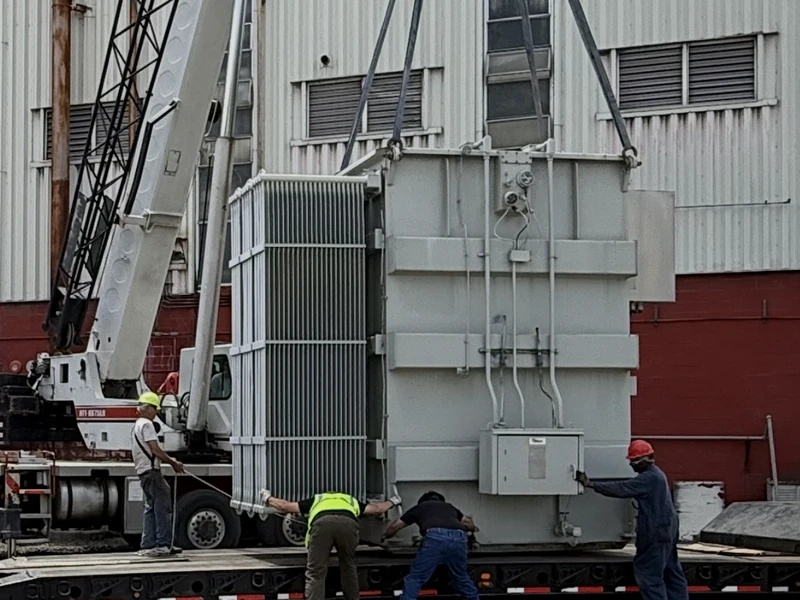
We arrange forklifts, skates, gantries, or cranes based on weight and access. Outdoor padmounts are lifted using manufacturer lift points and rigging spreaders to avoid tank deformation. Skids or crating are built for safe over-the-road transit, and each piece is labeled to match the bill of lading. Our logistics team books carriers, manages appointments, and provides tracking. You do not have to palletize or crate ahead of time. We buy, pick up, and move the equipment from wherever it sits on your site.
Freight
How to Get a Fast Cash Offer and What to Expect
Send a few photos of the lineup, each nameplate, and the room or yard access. Include rough dimensions, estimated weights if known, and whether the equipment is working, failed, or decommissioned. We review the data quickly and typically respond with clarifying questions or a cash offer range. If the range works, we firm it up after a brief video walkthrough or site visit when needed.
Once accepted, we schedule the pickup, align with your shutdown window, and bring the right rigging plan. Payment is issued according to the agreed terms at pickup or before the truck departs, and we leave the area broom clean. Whether you are clearing space for a new lineup or removing a storm-damaged substation, our role is to make the exit fast, safe, and predictable so your project can move forward without delay.
Other transformers we buy
Common questions
Questions sellers ask
What information do you need to price my switchgear or unit substation?
We can price from good photos and a few basics. Send wide shots of the lineup, close photos of every nameplate, and any one-line diagram on the door. For unit substations, include transformer kVA, primary and secondary voltages, impedance, temperature rise, and fluid type or dry-type notation. For switchgear, capture the assembly plate plus each breaker’s frame size, continuous current, interrupt rating, and control voltage. Add the location, access notes, and timing. If you have recent test reports or oil sample data, that helps but is not required.
Do you buy failed or fault-damaged gear, and will it still have value?
Yes. We buy working, failed, and scrap units. Faulted transformers and tripped switchgear often retain value through copper, steel, and usable components. Intact nameplates, unbroken bushings, and complete breaker mechanisms usually improve the outcome even when the system is not operational. Provide photos of the damage areas and any failure notes. We will advise whether the unit is a candidate for reuse, parts, or scrap recovery and make a cash offer accordingly. Completeness and clarity of identification go a long way toward maximizing the price.
How do you handle oil-filled transformers or SF6 equipment during removal?
We plan removal based on the equipment design. For liquid-filled transformers, we arrange fluid transfer to approved totes when transport requires reduced oil volume, then cap and seal fittings. If the nameplate indicates Non-PCB, we document it; if unknown, we proceed conservatively and sample if needed. For SF6-insulated breakers, we coordinate proper recovery and cylinder handling through qualified partners and record gauge readings before service. Dry-type units are protected with coil covers and secure bracing. Our goal is safe handling, clean work areas, and compliant transport.
Can you coordinate with our shutdown window and building access constraints?
Yes. We work around planned outages and restricted access. Tell us the earliest removal date, loading dock or crane access, ceiling heights, floor ratings, and any site-specific rules. We bring the right equipment, from low-profile skates for tight corridors to cranes for outdoor padmounts. If a utility cutover or temporary generation is involved, we align our schedule with your team’s sequence. Good planning reduces time on site, and we aim to complete removal and loading within the agreed window so your next phase starts on time.
Do I need to dismantle the lineup before pickup or build skids?
No. You do not have to pre-rig or crate. Leave the switchgear and unit substation as-is and we will handle unbolting, separation of sections, breaker removal, and packing. If your staff prefers to disconnect feeders ahead of time, that is fine, but it is not required for us to provide a quote. Accurate photos and access notes are usually all we need to plan the right tools and manpower. We arrive with skids, bracing materials, and protective wrap to prepare everything for safe transport.
What affects the offer most: age, copper versus aluminum, or brand?
All three matter. Copper windings in transformers usually raise the offer compared to aluminum. Age influences both reuse potential and parts demand; modern breakers, relays, and popular brands tend to do better, but older complete gear can still be valuable. Working condition and oil clarity help on liquid-filled units, and intact bushings, doors, and mechanisms are always positives. Ultimately, offers are based on a combination of materials value, component resale potential, and logistics. Clear identification and completeness help maximize the number.
How quickly can you be on site, and when is payment made?
We move at your pace. With clear photos, we can often provide a same-day cash offer and schedule pickup within a few business days, faster if the site is ready. For urgent removals, tell us your deadline and we will prioritize. Payment timing is set in writing before mobilization and is issued per the agreed terms at pickup or before the truck leaves. We aim to keep the process straightforward so you know exactly when the team arrives and when funds are released.
Ready to move the unit?
If you are ready to clear space and capture value from switchgear or a unit substation, we are ready to buy. Send photos and a short description, and we will respond quickly with a cash offer and a clear plan for removal and freight. From data centers to industrial plants, we operate nationwide with experienced rigging partners who respect your site and schedule. Reach out to Moses Johnson at 954-740-1983 or electricalequipmentbuyers@gmail.com.