
Overview
Our articles are designed to provide facility managers, electrical contractors, and demolition professionals with clear, actionable information about evaluating, removing, and monetizing used and scrap transformers. We cover everything from identifying valuable components in failed units to understanding the logistics of heavy freight across all fifty states. By sharing our expertise in the valuation and recovery of padmount, polemount, and substation transformers, we aim to help you make informed decisions about your surplus equipment. When you are ready to turn your idle assets into capital, our team is prepared to evaluate your inventory and provide a competitive cash offer. Explore our latest posts to learn more about the industry, and reach out when you need a reliable buyer for your electrical equipment.
Why sell to us
Understanding the Value of Surplus Transformers
When a facility undergoes an electrical upgrade or a complete shutdown, the existing transformers often retain significant value, even if they are no longer suitable for their original application. Many organizations mistakenly assume that older or failed units are simply a disposal liability. In reality, the secondary market for electrical equipment is robust, and units of all conditions can be monetized. Working transformers that pass standard electrical testing are frequently priced as functional equipment, offering a substantial return on initial investment.
Even when a transformer has suffered a catastrophic failure or has degraded beyond repair, the core materials remain highly sought after. The copper or aluminum windings, the specialized core steel, and the insulating oil all have intrinsic value in the recycling and recovery sectors. Understanding how these components are evaluated is the first step in maximizing the return on your surplus assets. Our articles delve into the specific factors that influence valuation, helping you recognize the hidden capital sitting in your storage yard or decommissioned substation.
By staying informed about market trends and material recovery processes, facility managers can transform a potential disposal expense into a revenue-generating opportunity. We regularly publish insights on how different types of transformers, from dry-type indoor units to massive oil-filled substation transformers, are assessed and priced in the current market.
What we buy
Navigating the Logistics of Heavy Equipment Removal
One of the most significant challenges in selling used transformers is the physical removal and transportation of the equipment. Transformers are exceptionally heavy, often awkwardly shaped, and frequently located in hard-to-reach areas of a facility or substation. The logistics of extracting these units safely and efficiently require specialized rigging knowledge and heavy-duty freight capabilities. Our blog provides detailed guidance on preparing your site for equipment extraction, highlighting the necessary steps to ensure a smooth operation.
We discuss the intricacies of coordinating cranes, flatbed trailers, and specialized rigging crews to handle units that can weigh tens of thousands of pounds. Proper preparation not only ensures safety but also minimizes disruption to your ongoing operations. Whether the transformer is situated on a rooftop, deep within an industrial basement, or in a remote utility yard, understanding the logistical requirements is crucial for a successful transaction.
Furthermore, navigating the freight regulations across all fifty states adds another layer of complexity to the process. We share our experiences and best practices for managing interstate transportation, securing the necessary permits, and ensuring compliance with environmental guidelines regarding oil containment during transit. Our goal is to demystify the logistical hurdles, demonstrating how a professional buyer handles these challenges seamlessly.
Blog
Every post
How much is my transformer worth?
When a facility upgrades its electrical infrastructure, decommissions a plant, or completes a major…
Who buys used transformers?
If you are staring at a yard full of transformers after a service upgrade, demolition, or plant closure, the…
How to sell a used transformer
If you’re sitting on a used transformer after a service upgrade, a plant closure, a demolition project, or a…
What is a padmount transformer?
A padmount transformer is a critical component of modern electrical distribution systems, designed to step down…
The transformer nameplate, explained
When dealing with surplus electrical equipment, the transformer nameplate is the single most important source…
PCBs: what sellers need to know
When managing the disposition of older electrical equipment, understanding the history and composition of your…
Copper vs aluminium windings
When evaluating surplus electrical equipment, the internal construction of a transformer plays a significant…
Selling transformers from a demolition project
Demolition projects move fast, and transformers are often the last big items standing between you and a clean…
A contractor guide to selling transformers
Electrical contractors frequently encounter surplus, used, or obsolete transformers during facility upgrades,…
How utilities handle surplus transformers
Electrical utilities across the country constantly upgrade, replace, and decommission infrastructure to…
Data centre transformer decommissioning
Data centers require immense amounts of reliable power, and the electrical infrastructure supporting these…
How transformer freight works
Moving heavy electrical equipment is a specialized logistical challenge that requires careful planning,…
Why the shortage made used units valuable
The electrical industry is currently facing unprecedented challenges, with supply chain disruptions leading to…
What happens to a recycled transformer
If you manage facilities, substations, or industrial upgrades, you already know transformers don’t last forever.
How it works
Identifying Different Types of Electrical Transformers
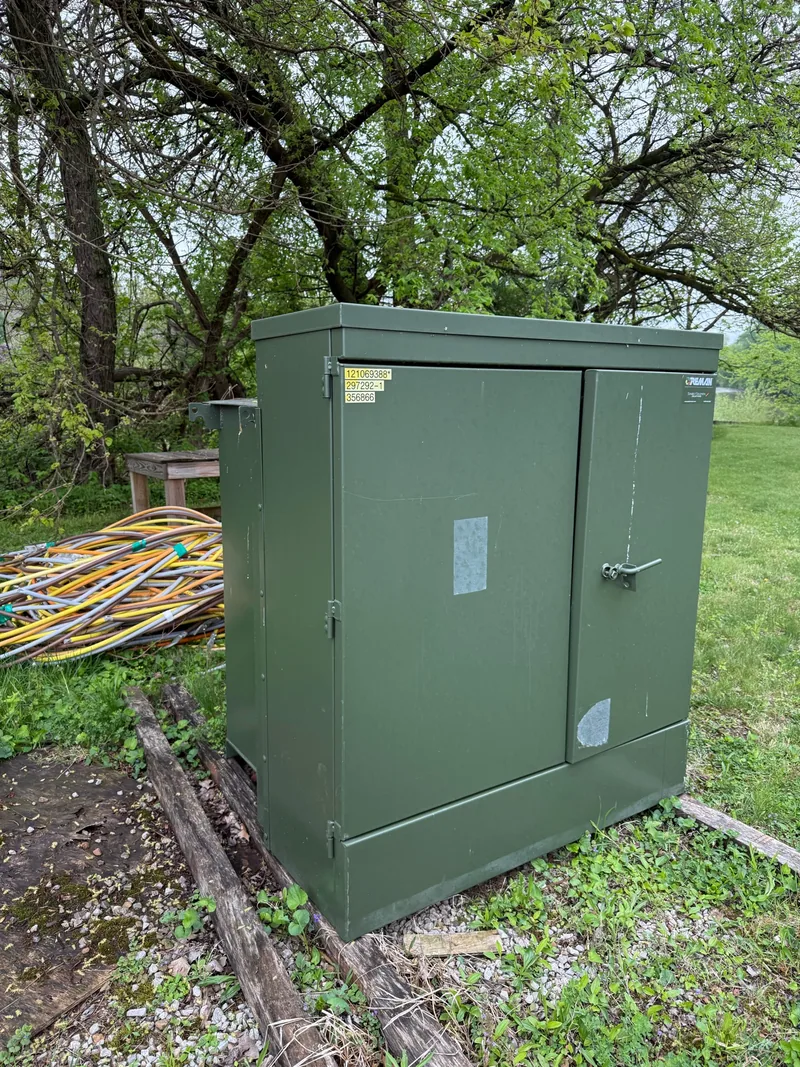
The electrical infrastructure of any major facility or utility network relies on a diverse array of transformer types, each designed for specific voltage classes and applications. For sellers, accurately identifying the equipment they possess is essential for obtaining an accurate valuation. Our resources break down the distinguishing features of various transformers, from common padmount units found outside commercial buildings to the specialized polemount transformers used in distribution networks.
We provide comprehensive guides on reading nameplates, which contain the critical specifications needed by buyers. Understanding the kVA rating, primary and secondary voltages, impedance, and manufacturing date allows you to communicate effectively with potential buyers. We also explore the differences between dry-type transformers, typically used indoors where fire safety is paramount, and oil-filled units, which offer superior cooling for high-capacity outdoor applications.
By familiarizing yourself with the terminology and technical specifications of your equipment, you can streamline the selling process. Our articles aim to educate sellers on the nuances of step-up and step-down transformers, unit substations, and industrial switchgear, ensuring that you can accurately represent your inventory and secure the best possible cash offer for your assets.
Logistics and payment
The Environmental Aspects of Transformer Disposition
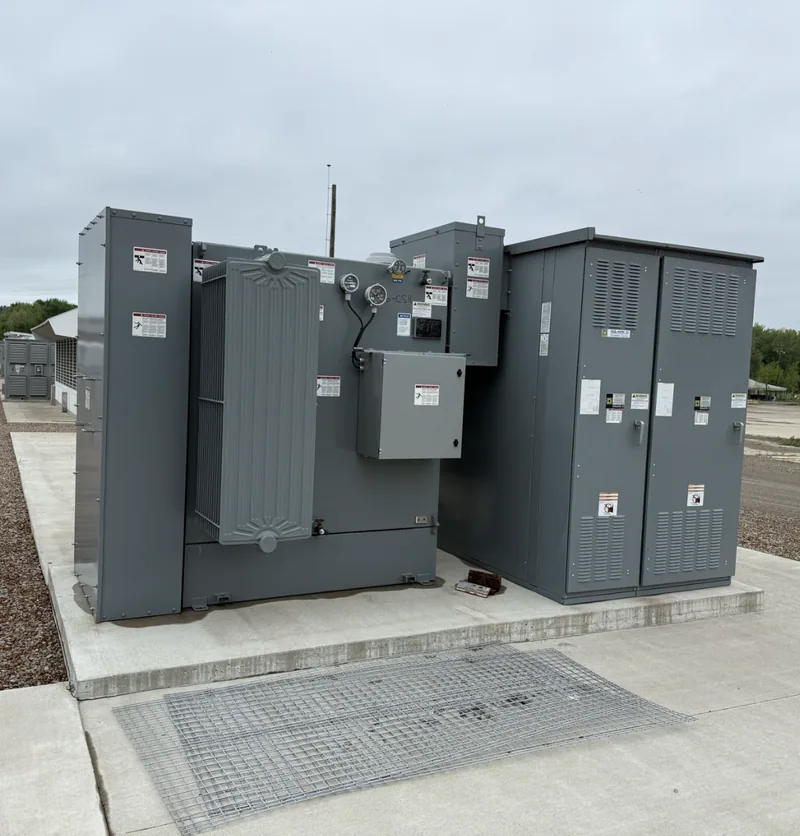
Disposing of electrical equipment, particularly older oil-filled transformers, involves strict environmental considerations. The insulating fluids used in these units must be handled, transported, and processed in accordance with federal and state regulations to prevent contamination and ensure environmental safety. Our blog addresses these critical compliance issues, offering guidance on how to manage the environmental risks associated with surplus equipment.
We discuss the importance of proper oil sampling and testing, especially for older units that may contain regulated substances. Understanding the protocols for draining, containing, and recycling transformer oil is vital for any organization looking to offload used equipment. We highlight the procedures that responsible buyers follow to mitigate environmental impact, providing peace of mind to sellers who are concerned about liability and corporate responsibility.
Additionally, we explore the recycling processes for the metallic components of the transformers. The recovery of copper, aluminum, and steel not only provides financial returns but also contributes to sustainable industrial practices by reducing the need for virgin material extraction. Our articles emphasize the dual benefits of working with a knowledgeable buyer who prioritizes both economic value and environmental stewardship.
Detail
Strategies for Demolition and Decommissioning Projects
Demolition contractors and facility decommissioning teams frequently encounter large volumes of electrical equipment that must be cleared from a site quickly and efficiently. The timeline of a demolition project rarely allows for prolonged negotiations or delayed removals. Our insights focus on how to integrate the sale of surplus transformers into tight project schedules, ensuring that the equipment is monetized without causing delays to the overall demolition plan.
We provide strategies for conducting early assessments of the electrical assets on a site, allowing contractors to factor the value of the equipment into their project bids. By identifying the most valuable units, such as large substation transformers or extensive switchgear lineups, demolition teams can offset their operational costs significantly. We also discuss the importance of coordinating the equipment removal with the broader site clearance activities.
Effective communication and planning are essential when dealing with heavy electrical assets during a teardown. Our articles share case studies and practical advice on managing the extraction of transformers from complex industrial environments, highlighting how a reliable buyer can act as a strategic partner in keeping your decommissioning project on track and under budget.
Also worth knowing
Maximizing Returns on Scrap and Failed Units
It is a common misconception that a transformer must be in working condition to hold value. In reality, failed units, obsolete models, and even severely damaged transformers are routinely purchased for their raw material content. Our blog explores the economics of scrap transformers, explaining how the fluctuating commodities markets for copper, aluminum, and steel influence the valuation of non-functional equipment.
We detail the process of evaluating a failed unit, which involves estimating the weight and composition of the internal windings and the core steel. Sellers often underestimate the sheer volume of valuable metals contained within a heavy industrial transformer. By understanding how these materials are extracted and processed, you can better appreciate the cash offers provided for equipment that might otherwise be considered worthless scrap.
Furthermore, we offer advice on how to present failed units to buyers to ensure an accurate assessment. Providing clear photographs of the unit, including any visible damage and the original nameplate, allows buyers to calculate the material value precisely. Our goal is to help you recognize that every transformer, regardless of its operational status, represents a financial asset that can be converted into capital.
Condition and testing
The Role of Testing in Transformer Valuation
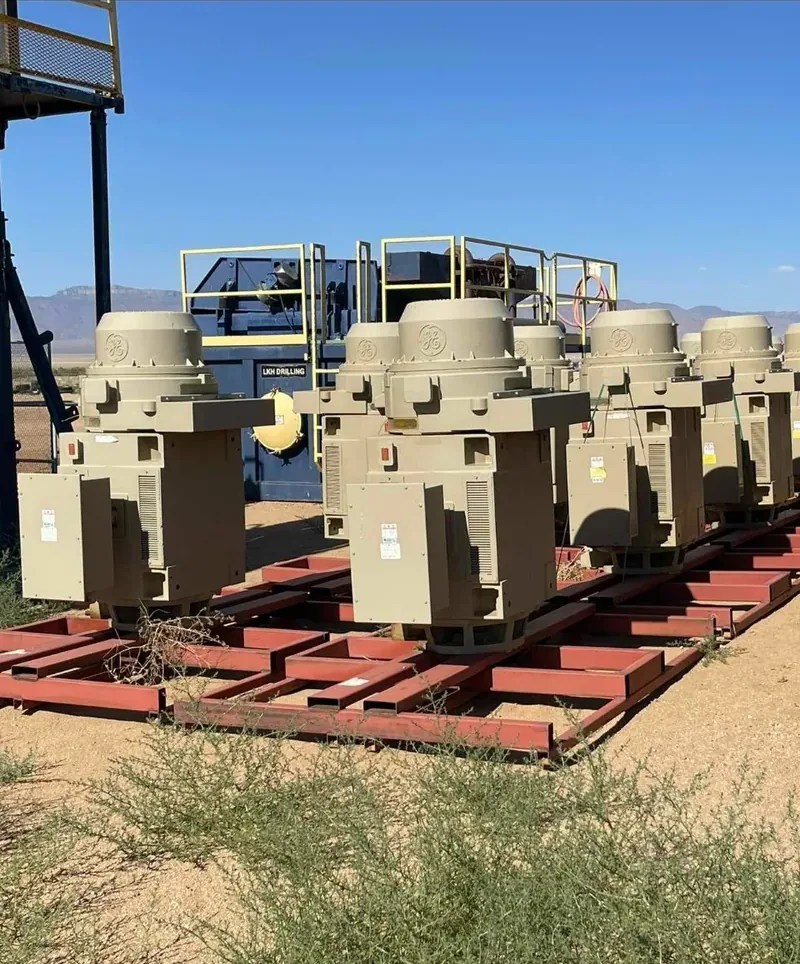
For transformers that are believed to be in working condition, electrical testing is a critical step in determining their true market value. A unit that passes rigorous testing can be repurposed and deployed in new installations, commanding a significantly higher price than a unit sold for its material content alone. Our articles demystify the testing procedures used by industry professionals to verify the integrity and functionality of used transformers.
We discuss common diagnostic tests, such as insulation resistance testing, turns ratio measurement, and dissolved gas analysis for oil-filled units. Understanding what these tests reveal about the internal condition of the transformer helps sellers comprehend how buyers arrive at their valuations. We also explain the significance of the testing results, detailing how minor issues might be repaired while major faults relegate the unit to the scrap category.
By providing transparency into the evaluation process, we aim to build trust with our readers. When you understand the technical criteria used to assess your equipment, you can engage with buyers more confidently. Our resources are designed to bridge the knowledge gap, ensuring that you are fully informed about the factors that dictate the final cash offer for your surplus electrical assets.
Freight
Partnering with a Nationwide Transformer Buyer
Finding a local buyer with the capacity to handle large-scale electrical equipment can be challenging, especially for facilities located outside major industrial hubs. This is why partnering with a buyer who operates nationwide is often the most efficient solution for disposing of surplus transformers. Our blog highlights the advantages of working with a company that has the logistical reach and financial resources to purchase equipment across all fifty states.
A nationwide buyer brings a wealth of experience in managing diverse freight requirements, navigating varying state regulations, and coordinating complex removals regardless of the location. We share stories and examples of how broad geographic coverage benefits sellers, ensuring that distance does not become a barrier to monetizing your assets. Whether your equipment is in a bustling metropolitan center or a remote rural facility, a capable buyer can facilitate a smooth transaction.
Ultimately, our articles emphasize the importance of reliability and professionalism in the secondary electrical market. When you choose to sell your transformers, you need a partner who honors their commitments, provides prompt payment, and handles the logistics seamlessly. We invite you to read our insights, learn about our processes, and contact us when you are ready to turn your surplus equipment into working capital.
Common questions
Questions sellers ask
What topics are covered in the Transformers Buyers blog?
Our blog covers a wide range of topics related to the secondary market for electrical equipment. We publish articles on how to evaluate surplus transformers, the logistics of heavy equipment removal, environmental compliance during disposal, and strategies for maximizing returns on both working and scrap units. We also provide guides on identifying different types of transformers and understanding the factors that influence their valuation.
Can I learn how to identify my specific type of transformer here?
Yes, we offer detailed resources to help you identify various types of electrical transformers. Our articles explain the differences between padmount, polemount, substation, and dry-type transformers. We also provide guidance on how to read transformer nameplates, which contain crucial information such as the kVA rating, voltage class, and manufacturing details needed to secure an accurate cash offer.
Do your articles explain how failed transformers are valued?
Absolutely. We frequently discuss the valuation of failed and obsolete transformers. Even if a unit is no longer operational, it retains significant value due to the copper or aluminum windings, core steel, and insulating oil. Our blog explains how these raw materials are assessed and how commodities markets influence the cash offers you receive for non-functional equipment.
Where can I find information about the logistics of removing heavy transformers?
We dedicate several articles to the complexities of heavy equipment logistics. You will find information on coordinating cranes, specialized rigging, and heavy-duty freight transportation. We discuss how to prepare your site for extraction and how a professional buyer manages the interstate transportation of massive electrical assets across all fifty states.
How often is the electrical equipment blog updated?
We regularly update our blog with new insights, industry trends, and practical guides for sellers. As the market for used and surplus electrical equipment evolves, we strive to provide our readers with the most current and relevant information. Check back frequently for new articles designed to help facility managers and contractors navigate the disposition of their heavy assets.
How do I contact you if I am ready to sell my transformers?
If you have surplus, used, or scrap transformers you wish to sell, you can reach out to us directly. We provide prompt evaluations and handle all the logistics of removal and freight. Please call or email us with the details of your equipment, including photographs of the units and their nameplates, and we will work quickly to provide you with a competitive cash offer.
Ready to move the unit?
Thank you for visiting the Transformers Buyers blog. We hope our articles and guides provide you with valuable insights into the secondary market for electrical equipment. Whether you are dealing with a single surplus padmount transformer or decommissioning an entire utility substation, understanding the valuation and logistics process is key to maximizing your return. Our team is dedicated to making the disposition of your heavy assets as seamless and profitable as possible. When you are ready to clear your site and turn your idle equipment into capital, we are here to help. For a prompt evaluation and a competitive cash offer, please call us at 954-740-1983 or email electricalequipmentbuyers@gmail.com.