
Overview
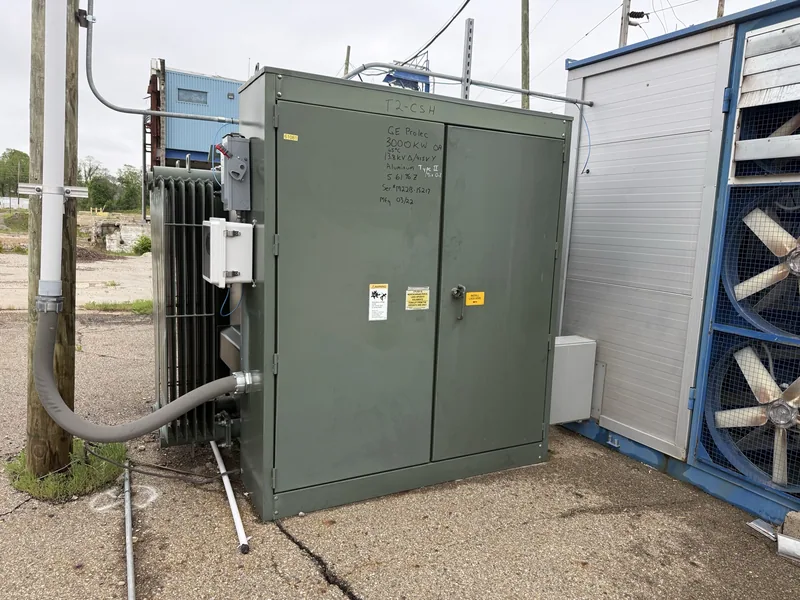
Unlike standard commercial goods, heavy electrical equipment does not have a simple blue book value. Instead, the worth of a transformer is calculated based on its specifications, whether it can be refurbished and reused, or if its value lies purely in its raw materials. We buy used, surplus, and failed transformers nationwide, providing cash offers based on a thorough evaluation of these factors. Understanding what drives the value of your equipment can help you make informed decisions about asset disposition. From the kVA rating and voltage class to the type of winding material and the condition of the oil, several key elements determine the final offer you will receive for your surplus electrical assets.
Why sell to us
Working Equipment vs. Scrap Value
The most significant factor in determining a transformer's worth is its operational status. A transformer that is in good working condition, passes electrical testing, and can be refurbished for reuse is generally priced as equipment. These units hold higher value because they can be placed back into service after reconditioning, providing a cost-effective alternative to buying new for other facilities.
Conversely, if a transformer has failed, suffered catastrophic damage, or is too old to be reliably refurbished, its value is based on its raw materials. Even in this state, a transformer is worth real money. The internal components, specifically the copper or aluminum windings and the electrical steel core, are valuable commodities. We evaluate both working and failed units, ensuring you receive a fair cash offer regardless of the equipment's condition.
What we buy
The Importance of kVA and Voltage Ratings
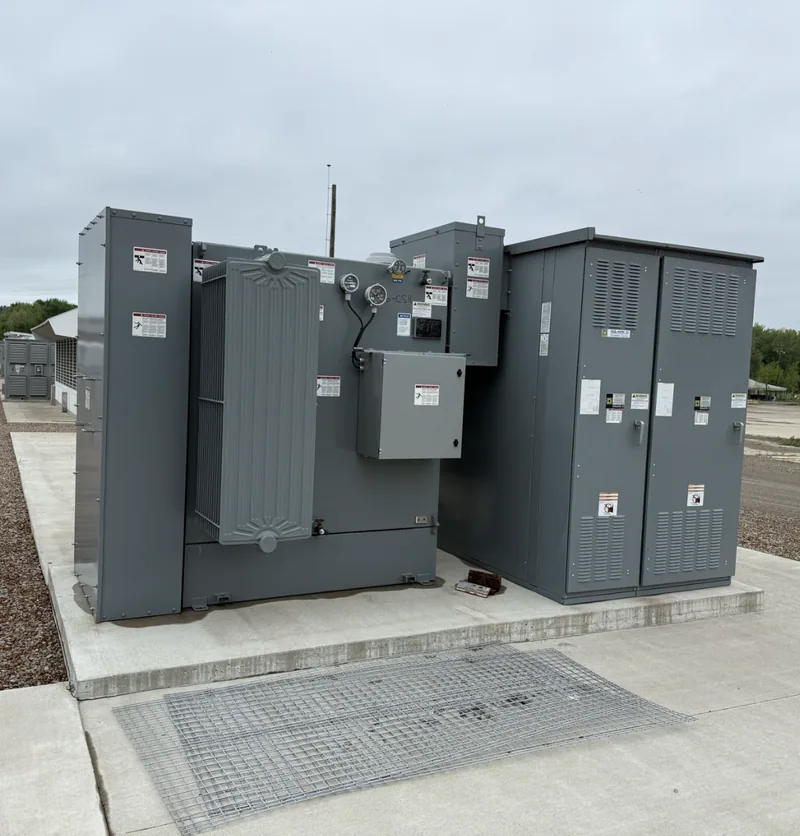
The size and capacity of the transformer play a crucial role in its valuation. The kVA (kilovolt-ampere) rating indicates the amount of power the unit can handle. Generally, larger transformers with higher kVA ratings contain more raw materials and are more expensive to replace, which often translates to a higher value on the secondary market. A massive substation transformer will naturally be worth more than a small dry-type unit.
Voltage ratings are equally important. Transformers designed for common utility and industrial voltages are often in higher demand for reuse, which can positively impact their value as equipment. However, highly specialized or unusual voltage configurations may have a smaller market for reuse, meaning their value might lean more heavily toward their material composition.
How it works
Copper vs. Aluminum Windings
The material used for the transformer's internal windings significantly affects its worth, particularly if the unit is being evaluated for its scrap value. Transformers are typically wound with either copper or aluminum. Copper is a superior conductor and is significantly more valuable as a raw commodity than aluminum.
When evaluating a unit, the nameplate will often indicate the winding material, or it can be determined by the unit's weight and design. A copper-wound transformer will almost always command a higher price than an aluminum-wound unit of the same kVA rating, simply due to the higher market price of copper scrap. We carefully assess the material composition to ensure our cash offers reflect the true commodity value.
Logistics and payment
Age, Condition, and Oil Quality
The age and physical condition of the transformer are important considerations, especially for units intended for reuse. A relatively new transformer that has been well-maintained in a clean environment will be worth more than an older unit that shows signs of severe rust, leaking oil, or physical damage to the bushings and radiators.
For oil-filled transformers, the condition of the insulating oil is also a factor. If the oil contains high levels of moisture, dissolved gases, or contaminants like PCBs, it can complicate the recycling or refurbishment process. While we purchase units in various conditions, a well-maintained transformer with clean oil and intact external components will generally receive a higher valuation.
Detail
The Role of the Nameplate in Valuation
The manufacturer's nameplate is the most critical piece of information when determining a transformer's worth. This metal tag, usually affixed to the exterior of the unit, contains all the essential technical specifications. It lists the kVA, high and low voltages, impedance, total weight, winding material, and the year of manufacture.
When you contact us to sell your equipment, the first thing we ask for is a clear photograph of this nameplate. The data provided on the nameplate allows our experts to quickly and accurately assess the unit's specifications and calculate its value. Without this information, it is nearly impossible to provide a precise offer.
Also worth knowing
Logistics and Freight Considerations
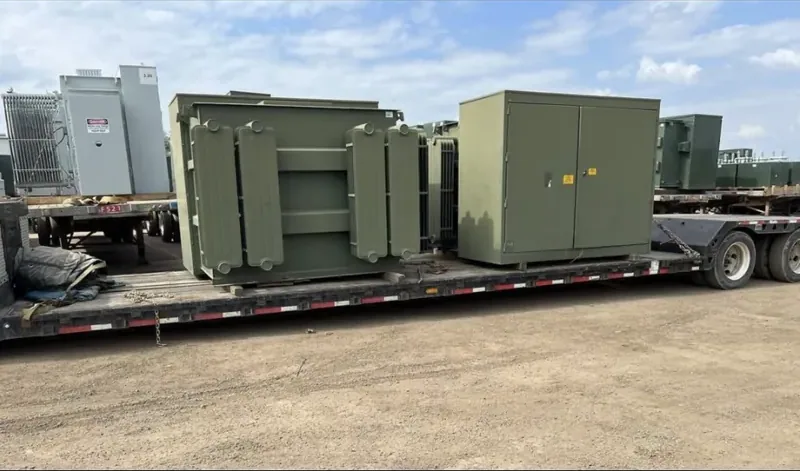
While the technical specifications determine the gross value of the transformer, the logistics of removing and transporting the equipment also play a role in the final net offer. Transformers are incredibly heavy, often weighing tens of thousands of pounds, and require specialized rigging and heavy-haul freight to move.
We handle all the freight and rigging across all 50 states, meaning you do not have to worry about the logistics or the upfront costs of transportation. However, the complexity of the extraction—such as removing a unit from a tight indoor space versus picking it up from an open laydown yard—and the distance to our processing facilities are factored into the overall evaluation process.
Condition and testing
Additional Information on How Much Is My Transformer Worth? | Valuation Guide 6
When dealing with heavy electrical equipment, understanding the full scope of the process is essential. We have years of experience evaluating and transporting these massive units safely and efficiently. Our team is equipped to handle the complexities of industrial environments, ensuring that every extraction is performed with the utmost care and compliance with safety standards.
Furthermore, our commitment to providing fair cash offers means you can trust that you are receiving the true market value for your assets. We continuously monitor commodity prices and secondary equipment markets to ensure our evaluations are accurate and competitive. By choosing to work with us, you are partnering with professionals who prioritize transparency and efficiency.
Freight
Additional Information on How Much Is My Transformer Worth? | Valuation Guide 7
When dealing with heavy electrical equipment, understanding the full scope of the process is essential. We have years of experience evaluating and transporting these massive units safely and efficiently. Our team is equipped to handle the complexities of industrial environments, ensuring that every extraction is performed with the utmost care and compliance with safety standards.
Furthermore, our commitment to providing fair cash offers means you can trust that you are receiving the true market value for your assets. We continuously monitor commodity prices and secondary equipment markets to ensure our evaluations are accurate and competitive. By choosing to work with us, you are partnering with professionals who prioritize transparency and efficiency.
Common questions
Questions sellers ask
How do I find out the specifications of my transformer?
All the essential specifications are listed on the manufacturer's nameplate, which is typically a metal tag attached to the outside of the unit. It includes the kVA rating, voltages, weight, and other critical data needed for valuation.
Is a failed transformer worth anything?
Yes, a failed transformer is still worth real money. Even if it cannot be repaired, the internal components, such as the copper or aluminum windings and the electrical steel core, have significant value as raw materials.
Does the age of the transformer affect its value?
Age can affect the value, particularly if the unit is being considered for reuse. Newer units are generally more desirable as equipment. However, older units still retain their material value based on their copper or aluminum content.
Do you need to inspect the transformer in person to make an offer?
No, we do not typically need to inspect the equipment in person. We can provide an accurate cash offer based on clear photographs of the transformer and a legible picture of the manufacturer's nameplate.
Who pays for the shipping and rigging?
We handle and cover the costs of all freight and rigging. You do not need to arrange or pay for the transportation; we manage the entire logistical process from your site to our facilities nationwide.
Ready to move the unit?
Understanding the value of your surplus electrical equipment is the first step in turning idle assets into capital. Whether you have a working padmount unit or a failed substation transformer, its specifications, materials, and condition all contribute to its worth. We are ready to evaluate your equipment and provide a competitive cash offer, handling all the necessary freight and rigging nationwide. Don't let valuable equipment sit unused. Call 954-740-1983 or email electricalequipmentbuyers@gmail.com today to find out exactly how much your transformer is worth.