
Overview
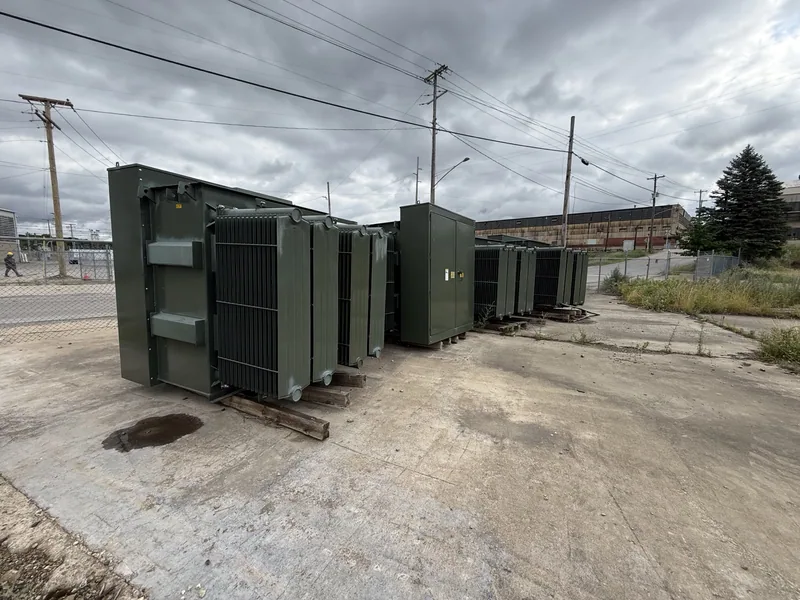
They serve as the final voltage transformation point in the distribution grid, ensuring that electricity is delivered safely and efficiently to end users. For businesses, utilities, and contractors, managing surplus or decommissioned polemount transformers is a common challenge during grid upgrades, storm recovery, or facility demolitions. Understanding the technical specifications, components, and residual value of polemount transformers is essential for anyone looking to dispose of them. Whether these units are fully operational, damaged by weather events, or simply obsolete, they hold significant value in the secondary market. The copper or aluminum windings, core steel, and insulating oil within these transformers can be recovered and repurposed. We purchase used, surplus, and scrap polemount transformers nationwide, providing a streamlined process to turn your decommissioned equipment into a cash offer while handling all logistics and transportation.
Why sell to us
The Role of Polemount Transformers in Power Distribution
Polemount transformers are the workhorses of the electrical distribution network. Their primary function is to take the medium voltage carried by overhead distribution lines—typically ranging from 4 kV to 34.5 kV—and step it down to the standard utilization voltages used in homes and businesses, such as 120/240 volts. This step-down process is vital because the high voltages required for efficient long-distance power transmission are far too dangerous and incompatible with standard electrical appliances and building wiring.
These transformers are strategically placed on utility poles to minimize the distance low-voltage power must travel, thereby reducing energy losses. A single polemount transformer can serve a single large residence, a small commercial building, or multiple homes depending on its kilovolt-ampere (kVA) rating. The elevated mounting position not only keeps the high-voltage connections safely out of reach of the public but also saves valuable ground space in densely populated or restricted areas.
When utility companies upgrade their infrastructure to accommodate higher loads or replace aging equipment, large numbers of polemount transformers are taken out of service. Electrical contractors and demolition companies also frequently encounter these units when dismantling old facilities or overhead lines. Instead of treating these decommissioned transformers as a disposal liability, they can be sold to specialized buyers who understand their intrinsic value, whether as functional equipment or for their raw material content.
What we buy
Key Components and Construction
The construction of a polemount transformer is engineered for durability, efficiency, and safety in outdoor environments. The core and coil assembly is the heart of the unit, where the actual voltage transformation occurs. The core is typically constructed from high-permeability silicon steel laminations, which minimize magnetic losses. The coils, or windings, are wound around the core and are made of either copper or aluminum. Copper windings are generally more efficient and compact, making them highly desirable, though aluminum is also widely used due to its lower cost and lighter weight.
Surrounding the core and coil assembly is the transformer tank, a robust steel cylinder designed to withstand harsh weather conditions and protect the internal components. The tank is filled with dielectric fluid, usually mineral oil, which serves a dual purpose: it acts as an electrical insulator to prevent arcing between the windings, and it functions as a coolant to dissipate the heat generated during operation. The exterior of the tank is coated with weather-resistant paint and equipped with mounting brackets specifically designed for secure attachment to utility poles.
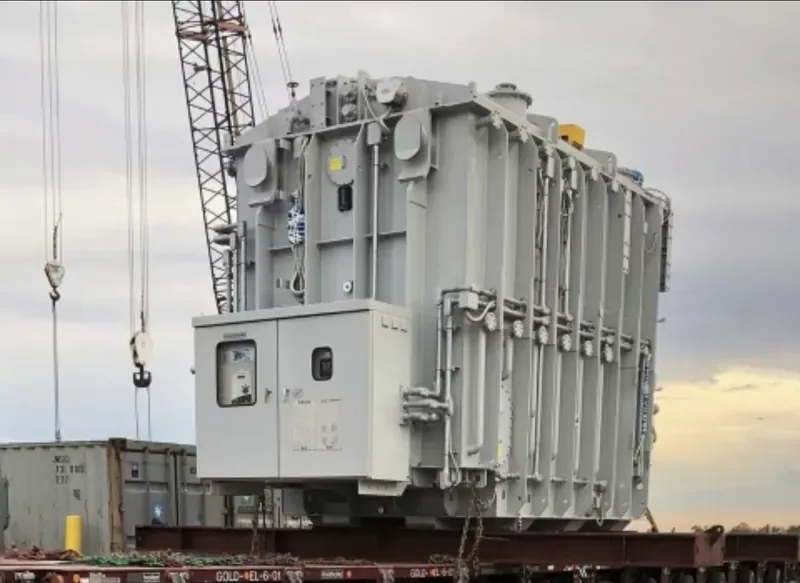
High-voltage and low-voltage bushings protrude from the tank, providing the necessary electrical connections while maintaining insulation from the grounded steel casing. The high-voltage bushing connects to the primary distribution line, often through a fused cutout and surge arrester for protection against overcurrents and lightning strikes. The low-voltage bushings connect to the secondary service drop that delivers power to the customer. When evaluating a used polemount transformer, the condition of these components—particularly the tank integrity and the type of winding material—plays a significant role in determining its value.
How it works
kVA Ratings and Sizing
Polemount transformers are manufactured in a variety of sizes, denoted by their kilovolt-ampere (kVA) ratings, to accommodate different load requirements. The kVA rating indicates the maximum apparent power the transformer can deliver continuously without exceeding its design temperature limits. Common sizes for residential applications range from 10 kVA to 50 kVA, while larger units up to 100 kVA or even 167 kVA may be used for commercial installations or to serve multiple homes in a densely populated neighborhood.
Selecting the appropriate kVA size is a critical engineering decision for utility planners. An undersized transformer will overheat and potentially fail prematurely due to overloading, while an oversized unit represents unnecessary capital expenditure and higher no-load losses. As energy consumption patterns change—such as the increased adoption of electric vehicles and heat pumps—utilities frequently find it necessary to replace existing polemount transformers with larger capacity units to handle the growing demand.
This continuous cycle of upgrading and right-sizing generates a steady stream of surplus polemount transformers. Even if a 25 kVA unit is no longer sufficient for a growing neighborhood, it may still be in perfect working condition and highly valuable to another user with lower power requirements. Alternatively, if the unit has reached the end of its operational life, its kVA rating provides a rough estimate of the amount of copper or aluminum and core steel it contains, which is essential information when calculating a cash offer for scrap value.
Logistics and payment
Single-Phase vs. Three-Phase Applications
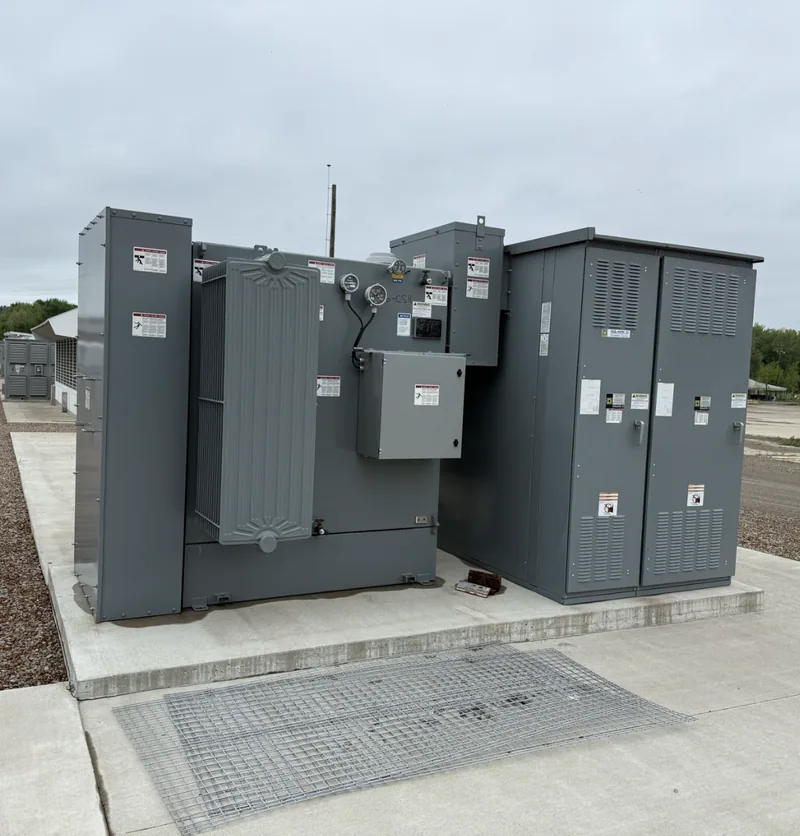
The vast majority of polemount transformers are single-phase units, designed to supply standard 120/240-volt split-phase power to residential and light commercial customers. A single-phase transformer has one primary winding connected across two phases of the distribution system or between one phase and the neutral, and a secondary winding that provides the lower voltage output. This configuration is highly efficient and cost-effective for typical household loads, including lighting, appliances, and HVAC systems.
However, polemount transformers can also be utilized to provide three-phase power for industrial or larger commercial applications. This is typically achieved by banking three individual single-phase transformers together on a single pole or a specialized mounting structure. The primary and secondary windings of the three units are interconnected in specific configurations, such as wye-wye or delta-wye, to deliver the required three-phase voltage, such as 208Y/120 volts or 480Y/277 volts. This approach offers flexibility, as a utility can use standard single-phase inventory to serve a three-phase customer.
When dismantling a three-phase bank, contractors are left with three separate single-phase transformers to dispose of. Whether you are dealing with a single unit from a residential service upgrade or a complete bank from a commercial demolition, we are equipped to purchase them all. We evaluate each unit individually based on its specifications, condition, and material composition, ensuring that you receive a fair and accurate valuation for your entire inventory of surplus equipment.
Detail
Determining the Value of Used Polemount Transformers
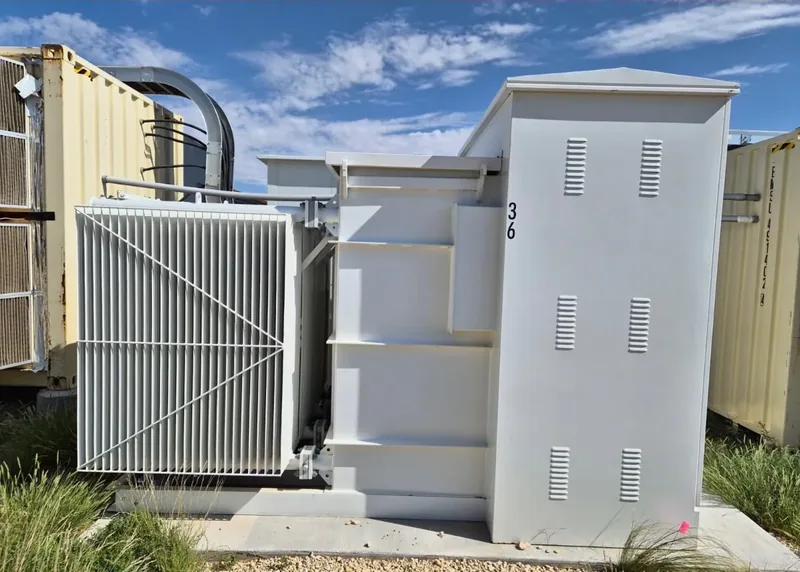
The value of a used or surplus polemount transformer depends on several key factors, primarily its operational status, age, and internal composition. Units that are relatively new, fully functional, and pass rigorous electrical testing can often be refurbished and resold as working equipment. These transformers command the highest prices, as they offer a cost-effective alternative to purchasing brand-new units for utilities and private facility operators facing long lead times from manufacturers.
For transformers that have failed, sustained damage, or are simply too old to be reliably returned to service, the value is derived from their raw materials. The most significant driver of scrap value is the winding material. Copper-wound transformers are substantially more valuable than their aluminum-wound counterparts due to the higher market price of copper. The weight of the silicon steel core and the steel tank also contribute to the overall scrap value. Additionally, the dielectric oil can often be reclaimed, filtered, and recycled, adding another layer of value to the unit.
To provide an accurate cash offer, buyers typically require specific information from the transformer's nameplate. The nameplate contains essential data, including the kVA rating, primary and secondary voltages, impedance, weight, and often the winding material. Clear photographs of the nameplate, along with images showing the overall condition of the tank and bushings, allow us to quickly assess the transformer's worth. We leverage our deep understanding of these components to offer competitive pricing for polemount transformers in any condition, across all 50 states.
Also worth knowing
Environmental Considerations and Oil Management
Handling decommissioned polemount transformers requires strict adherence to environmental regulations, particularly concerning the dielectric fluid they contain. Older transformers, manufactured before the late 1970s, may contain polychlorinated biphenyls (PCBs), a hazardous chemical once widely used for its insulating and fire-resistant properties. The Environmental Protection Agency (EPA) heavily regulates the testing, handling, and disposal of PCB-containing equipment to prevent environmental contamination and protect public health.
Even modern polemount transformers filled with non-PCB mineral oil must be managed carefully to prevent spills and leaks during removal and transportation. A damaged tank or a leaking bushing can result in soil and water contamination, leading to costly cleanup efforts and potential regulatory fines for the responsible party. Proper draining, sealing, and secure rigging are essential steps in preparing a transformer for shipment to a buyer or recycling facility.
When you sell your surplus or scrap polemount transformers to a professional buyer, you mitigate these environmental risks. We understand the complexities of oil management and environmental compliance. While we do not provide environmental remediation services, our logistics network is experienced in the safe and compliant transportation of oil-filled electrical equipment. By partnering with us, you ensure that your decommissioned assets are handled responsibly, protecting your company from liability while recovering maximum value from the equipment.
Condition and testing
The Selling and Removal Process
Selling your surplus or scrap polemount transformers should be a straightforward and efficient process that does not disrupt your core operations. The first step is to gather the necessary information about the equipment you wish to sell. This includes taking clear, legible photos of the nameplates on each unit, as well as wide shots showing the overall condition of the transformers and their current location. If you have a large inventory, a spreadsheet detailing the kVA ratings, voltages, and winding materials (if known) can expedite the valuation process.
Once you provide this information, we will review the specifications and current market conditions to present a competitive cash offer. Our offers are comprehensive, meaning they account for the value of the equipment as well as the costs associated with freight and logistics. We understand that our clients—whether they are demolition contractors, utility companies, or electrical service providers—need reliable partners who follow through on their commitments without hidden fees or last-minute renegotiations.
Upon acceptance of the offer, we coordinate the logistics for pickup. Because polemount transformers are heavy and often located in utility yards or active construction sites, proper lifting equipment such as cranes or heavy-duty forklifts is required to load them onto flatbed trucks. We handle the freight arrangements, ensuring that the appropriate transportation is dispatched to your location anywhere in the country. Our goal is to make the transaction as seamless as possible, providing prompt payment and efficient removal of your surplus assets.
Freight
Why Sell to Specialized Transformer Buyers
Attempting to dispose of polemount transformers through general scrap yards or local recyclers often results in leaving money on the table. General scrap yards typically lack the specialized knowledge required to accurately assess the value of electrical equipment. They may price a transformer solely based on its gross weight as mixed steel, failing to account for the high-value copper windings or the potential for the unit to be reused as functional equipment. Furthermore, many local yards are not equipped to handle oil-filled transformers and may refuse to accept them or charge exorbitant fees for oil disposal.
Specialized transformer buyers, on the other hand, possess the technical expertise and market access to maximize the return on your decommissioned assets. We understand the nuances of different manufacturers, kVA ratings, and winding configurations. We have established channels for refurbishing working units and efficient processes for dismantling and recycling scrap units. This specialized focus allows us to offer significantly higher prices than general scrap dealers.
Additionally, working with a nationwide buyer provides unparalleled convenience and reliability. We have the logistical capabilities to pick up equipment from any location across all 50 states, whether you have a single 50 kVA unit at a commercial site or a yard full of hundreds of surplus utility transformers. By choosing a specialized buyer, you streamline your asset disposition process, ensure environmental compliance, and secure the best possible financial return for your company.
Common questions
Questions sellers ask
What information do I need to provide to get an offer on a polemount transformer?
To receive an accurate cash offer, please provide clear photographs of the transformer's nameplate, which contains critical data such as the kVA rating, voltages, and weight. Additionally, provide photos showing the overall condition of the unit, including the tank and bushings. If you know whether the windings are copper or aluminum, that information is also highly valuable.
Do you buy polemount transformers that have failed or are leaking oil?
Yes, we buy polemount transformers in any condition, including units that have suffered electrical failures, lightning strikes, or physical damage. Failed units still hold significant value for their internal copper or aluminum windings and core steel. If a unit is leaking, it must be properly contained and prepared for safe transport before pickup.
How do you determine if a polemount transformer is priced as equipment or scrap?
The determination is based on the unit's age, condition, and market demand. Relatively new transformers that are fully functional and pass electrical testing are often priced as equipment, which yields a higher return. Older, damaged, or obsolete units are evaluated based on the current commodity prices for their raw materials, primarily copper, aluminum, and steel.
Who is responsible for the freight and transportation of the transformers?
We handle all the freight and logistics. Once we agree on a cash offer, we will coordinate the dispatch of the appropriate flatbed trucks to your location. You simply need to have the equipment ready and the means to safely load the transformers onto the trucks. We pick up from facilities and job sites nationwide.
Can I sell a single polemount transformer, or do you only buy in bulk?
We purchase both single units and large bulk inventories. Whether you are an electrical contractor with one surplus transformer from a recent service upgrade or a utility company clearing out a storage yard with hundreds of decommissioned units, we are ready to evaluate your equipment and provide a competitive offer.
How quickly can I get paid for my surplus polemount transformers?
We pride ourselves on a fast and efficient process. In many cases, we can provide a cash offer the same day we receive your photos and specifications. Once the offer is accepted and the logistics are finalized, we ensure prompt payment, often before the equipment even leaves your facility.
Ready to move the unit?
Managing surplus, failed, or decommissioned polemount transformers doesn't have to be a logistical headache. Whether you are clearing out a utility storage yard, completing a facility demolition, or upgrading an electrical service, these units hold real value. We provide a straightforward process that turns your idle equipment into capital. We buy polemount transformers in all conditions, handling the valuation, freight, and logistics so you can focus on your core operations. Don't let valuable assets sit rusting in a yard or settle for subpar prices from general scrap dealers. Reach out to us today to discuss your inventory and receive a competitive cash offer. Call or email us at 954-740-1983 or electricalequipmentbuyers@gmail.com.