
Overview
The right prep can mean the difference between equipment pricing and simple scrap value, and it can also streamline rigging and hauling on a tight schedule. This article lays out a practical approach for contractors, facility managers, and demo teams: from de-energizing and oil handling to nameplate data, testing, and freight. When you are ready, our team at TransformersBuyers.com buys working, failed, and scrap transformers, coordinates rigging and freight, and pays you for the material. Use this guide to organize the job, then reach out for a no-obligation cash offer that fits your timeline.
Why sell to us
Start with a clear inventory and scope
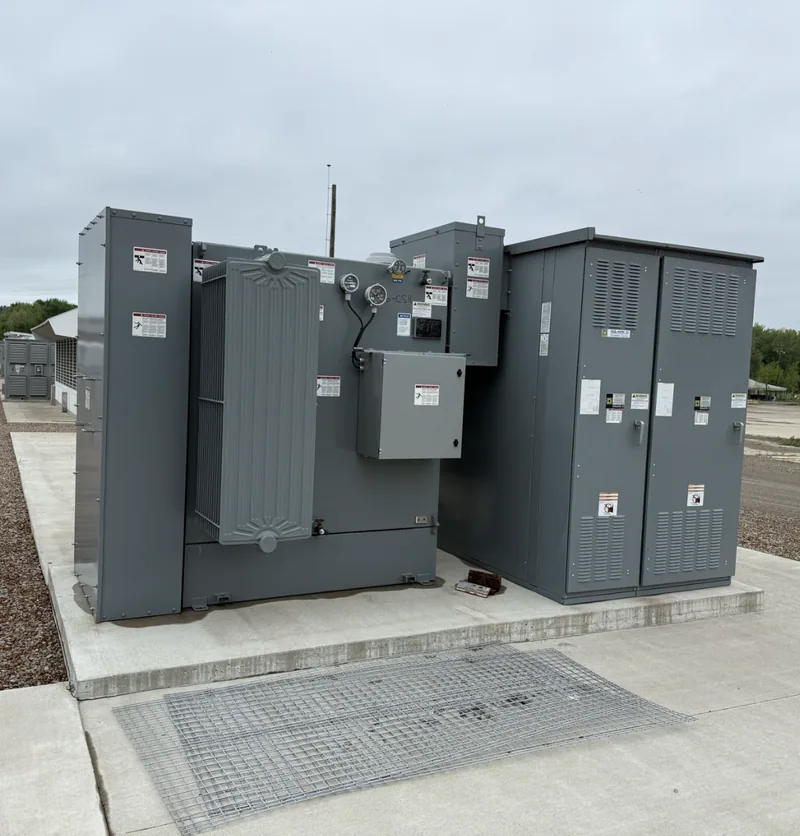
Begin by mapping every transformer and related electrical asset inside the demolition footprint. Include padmount, polemount, substation, dry-type, oil-filled, step-up, step-down, control, and industrial transformers, as well as any switchgear and unit substations. Don’t forget long-idle units in storage rooms, mezzanines, vaults, and exterior yards. A thorough list prevents last-minute surprises and helps you schedule removals in the correct sequence.
Capture nameplate photos that show kVA, primary and secondary voltages, phase, frequency, fluid type, temperature rise, and serial numbers. Note quantities, approximate locations, and whether each unit is energized, isolated, or already decommissioned. If there are accessory components like bushings, tap changers, or radiators removed for space, document that too. A simple spreadsheet with embedded photos gives buyers enough clarity to value the lot and plan safe extraction.
If you are handling an inherited site or older campus, cross-check legacy single-line diagrams against what is physically present. Demolition plans shift, and small additions over the years can hide in ceilings, tunnels, or fenced yards. Confirming what is actually on the ground speeds up pricing and pickup.
What we buy
De-energization, safety, and environmental rules
Before anyone touches a transformer, confirm de-energization and lockout-tagout through your electrical authority and utility as required. Many demo delays trace back to incomplete cutovers or mislabeled feeders. Use qualified personnel to verify isolation on both primary and secondary sides. Mark safe approach boundaries, especially near substation gear, and stage spill response supplies where oil-filled units are handled.
Understand the status of insulating fluid. If you have oil sampling results, include them. If not, plan for sampling where appropriate. Older sites may have legacy units that could require special handling based on test results and local regulations. Keep handling conservative: protect drains and storm inlets, use absorbents under fittings, and prevent overfilling of totes or drums. Good housekeeping on the fluid side reduces risk and makes transport smoother.
Some buyers can ship units with oil-in as-is, while others may prefer to have oil drawn down or fully removed. Jobsite constraints also matter, especially in tight interiors or on high floors. Share those constraints up front so the removal plan matches real-world access, floor ratings, and containment needs.
How it works
Documentation that drives value: nameplates, tests, and photos
When a transformer has test data, it often earns equipment pricing rather than scrap-only pricing. Even simple tests can help: insulation resistance, turns ratio, and basic visual checks for leaks or carbon tracking. If your crew or maintenance team already pulled recent test reports, include them with your photo package. If tests are not available, clear photos and a frank description of known issues are still valuable.
Photograph nameplates straight-on and well lit. Then add context shots that show overall condition, bushings, leads, tap positions if visible, and any damage. For dry-type units, open the enclosure and show the windings and core. For oil-filled units, show radiators, conservators, pressure reliefs, and the integrity of gaskets. Include any previous repair tags or utility markings. This all helps establish whether a unit belongs in the equipment channel or the metal-recovery channel.
If testing is impractical due to schedule or access, state that plainly. Buyers can still value failed units for copper or aluminum windings, core steel, and oil, and will factor rigging complexity into their offer. Clarity beats guesswork and avoids renegotiation on pickup day.
Logistics and payment
Weights, oil volumes, and pricing expectations
Ballpark weights and oil volumes allow better freight planning and help set reasonable pricing expectations. As a rule of thumb, larger kVA generally means heavier cores, more windings, and more fluid, but construction type also matters. A compact substation transformer may be denser than a similarly rated polemount. If you do not have exact weights, estimate by dimensions and frame style, and note whether radiators, rollers, or attachments are included.
Pricing typically splits into two paths. Operating, testable transformers are often priced as equipment, particularly when they match common voltages and kVA sizes. Units with failed windings, shorted coils, or catastrophic damage are still worth money for their recoverable metals and steel. Aluminum-wound units carry a different metal mix than copper-wound units, which affects value. Non-PCB oil can usually be reclaimed or recycled under applicable rules, while other fluid categories may require special handling.
If you are disposing of a mixed lot, expect blended pricing that reflects both equipment and scrap value plus the rigging complexity. Honest descriptions of condition let buyers put their best number on the table from the start.
Detail
Rigging, site access, and freight coordination
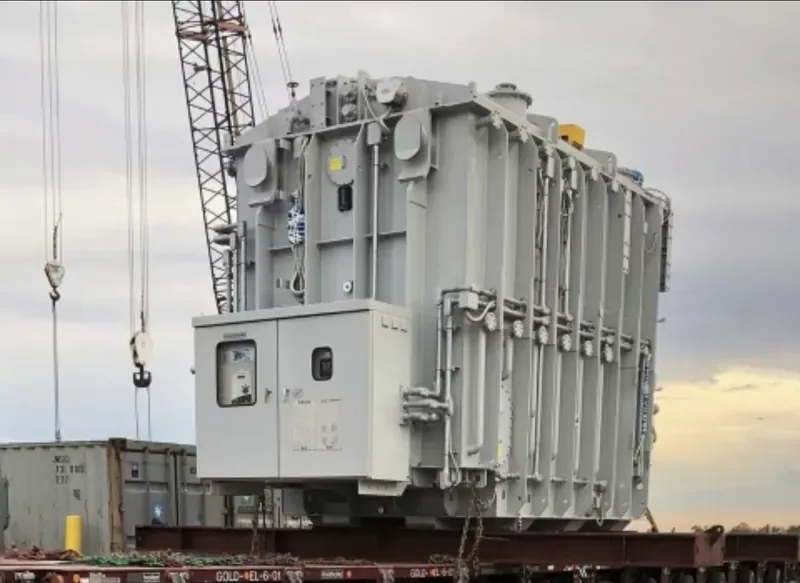
Rigging plans should match reality on the ground. Note whether units sit on housekeeping pads, in vaults, on mezzanines, or inside basements. Identify doorway and hallway clearances, floor load ratings, and turning radii for skates or forklifts. Outdoor pads may require a crane or boom truck; interior rooms might need compact forklifts, dollies, or hydraulic toe jacks. If the yard is soft or sloped, stabilize paths for safe egress.
For substation equipment and unit substations, verify grounding grids, bus work attachments, and any interlocked switchgear that must be separated before lifting. Photograph tie-ins so riggers arrive with the right tools and lifting lugs. When docks are unavailable, plan for ground-loading with suitable trailers. Share any site-specific requirements like PPE, safety orientations, badging, and work windows so the crew shows up prepared.
Freight coordination benefits from accurate weights, oil status, and packaging. Totes must be rated and secured, radiators tied down, and bushings protected. A clean bill of lading and proper descriptions keep the shipment moving and minimize dwell time or reconsigns.
Also worth knowing
Timing and coordination on a live demolition
Transformer removals often sit on the project’s critical path. Tie them to outage windows, utility cutovers, and milestones like steel demolition or slab saw-cutting. Sequence removals so energized gear is isolated early, equipment-grade units are pulled before heavy dust and debris accumulate, and scrap units are cleared before foundations or roofs are removed.
Communicate the pickup calendar to other trades. A crane set for padmount lifts may conflict with facade demo or HVAC rooftop work. If weekend or off-hours pickups reduce conflicts, plan them into your schedule. Weather, especially in exterior yards, can affect crane setups and ground conditions, so have a fallback day if possible.
If a facility remains partially active, coordinate access routes, barricades, and escorts. Keep electrical rooms clean for photography and lifting, and tag equipment clearly to avoid the wrong unit leaving the site. A little order saves hours when trucks are on the clock.
Condition and testing
From surplus to settlement: how the sale works
Once your inventory and photos are ready, send the package to a buyer that specializes in transformers. Include location, timeline, oil status, any test results, and site constraints. At TransformersBuyers.com, we review working, failed, and scrap transformers, plus related switchgear and unit substations, and respond with a cash offer that reflects equipment value and recovery value.
If you accept, we schedule pickup to match your demo calendar. Our team handles rigging and freight in all 50 states, coordinating with your superintendent and safety manager. Depending on the job, we can remove units oil-in or manage fluid separately based on your site plan and applicable rules. Clear bills of lading and scale tickets are provided as needed.
Payment is made as agreed, and the yard or room is left broom-clean per scope. The end result is simple: you eliminate risk and downtime while turning surplus transformers into cash, with one point of contact from quote to pickup.
Common questions
Questions sellers ask
What information do I need to get a quote for demolition transformers?
Send a list with kVA, voltage, phase, and quantity for each unit, plus clear nameplate and condition photos. Note whether each transformer is energized, isolated, or fully decommissioned. Include oil status, any test results, approximate dimensions or weights, and site access details such as door sizes, floor levels, dock availability, and crane or forklift access. If you have switchgear or a unit substation in the mix, add photos and ratings for those as well. A concise spreadsheet with embedded images speeds up accurate pricing.
Can I sell failed or damaged transformers from a demolition site?
Yes. Failed and physically damaged transformers still carry significant value in their copper or aluminum windings, core steel, and oil. Provide honest descriptions of the failure mode, such as shorted windings, leaks, or fire damage, and include wide and close-up photos. Buyers price these as recovery items rather than equipment, and will factor rigging complexity into the offer. If the unit is compromised and cannot be moved oil-in, note that in advance so the removal plan accounts for fluid handling and containment.
What about PCB considerations when selling older transformers?
If you have recent oil test results, share them with your quote request. If results are unknown, discuss sampling before scheduling removal, especially for legacy units. Handling and transport requirements vary by category under applicable regulations, so early clarity helps build the right plan. Some jobs proceed with units oil-in if testing supports that approach; others draw down fluid first. Keep good housekeeping around drains and have spill materials ready. The buyer will work within your site plan and applicable rules to arrange compliant pickup.
How are padmounts, substations, and dry-types rigged during demolition?
Padmounts typically require a crane or boom truck, proper lifting points, and ground stabilization for egress. Substation transformers may involve disconnecting bus work, removing radiators, and coordinating with switchgear separation. Dry-type units often move by forklift or skate, but floor loading and turn clearances matter. Share elevations, door sizes, and any obstructions. The rigging team will bring toe jacks, skates, spreader bars, or compact lifts as needed. Clear access and labeled tie-ins allow removals to proceed quickly and safely on a busy site.
Can I sell transformers along with switchgear and unit substations in one lot?
Yes. Mixed lots are common on demolition and service-upgrade projects. Include ratings and photos for the switchgear lineups, MCCs, breakers, and any unit substation components such as LV switchgear and bus. Buyers often provide a blended number for the entire package, accounting for equipment value, recovery value, and rigging. A single point of contact simplifies scheduling and keeps trucks, crews, and paperwork consolidated. If certain items must move first to clear demolition sequencing, note that priority in your request.
How fast can pickup happen, and how is payment handled?
Turnaround depends on scope, access, and transport distance, but demolition schedules often demand speed. Share your critical dates, and the buyer will align rigging and freight to meet them. Once the offer is accepted, pickups are scheduled to dovetail with outages and demo phases. Payment is made per the agreed terms, commonly at pickup or upon delivery and verification. Expect clear bills of lading, scale tickets if applicable, and straightforward settlement documents so you can close out that part of the project.
Ready to move the unit?
If your demolition scope includes padmount, polemount, substation, or dry-type transformers, we make removal and monetization simple. Send your inventory, photos, oil status, and timeline for a fast cash offer. TransformersBuyers.com buys working, failed, and scrap units, plus switchgear and unit substations, handles the rigging and freight, and operates nationwide. Speak directly with Moses Johnson to align pricing and pickup with your schedule. Call 954-740-1983 or email electricalequipmentbuyers@gmail.com.